

If you enjoy exploring different cultures through food, discovering must try local drinks can make your travels even more memorable.
Every destination has its own special flavors and ingredients. You might discover a sweet fruit drink in Southeast Asia, a traditional tea in the Middle East, or a refreshing herbal beverage in South America.
In this guide, we explore 15 traditional drinks from around the world, explain what makes each one special, and share tips for enjoying local beverages safely while traveling.
Why Should You Try Local Drinks While Traveling?

Local beverages are more than refreshments. They can tell you a great deal about the place you are visiting.
Experience Local Culture
People have enjoyed many traditional drinks for generations. Tea ceremonies, coffee traditions, and festive beverages often reflect local customs and hospitality.
Discover New Flavors
Travel gives you the opportunity to taste ingredients you might not usually find at home. These may include tropical fruits, aromatic spices, herbs, fermented grains, or locally grown tea leaves.
Support Local Businesses
Buying a drink from a reputable local café, market stall, or family-run business can support the people who help preserve regional food traditions.
Stay Refreshed During Your Trip
In warm destinations, suitable refreshing beverages can help you stay hydrated. However, drinks containing large amounts of sugar or caffeine should not replace regular water.
15 Must Try Local Drinks Around the World
1. Masala Chai – India
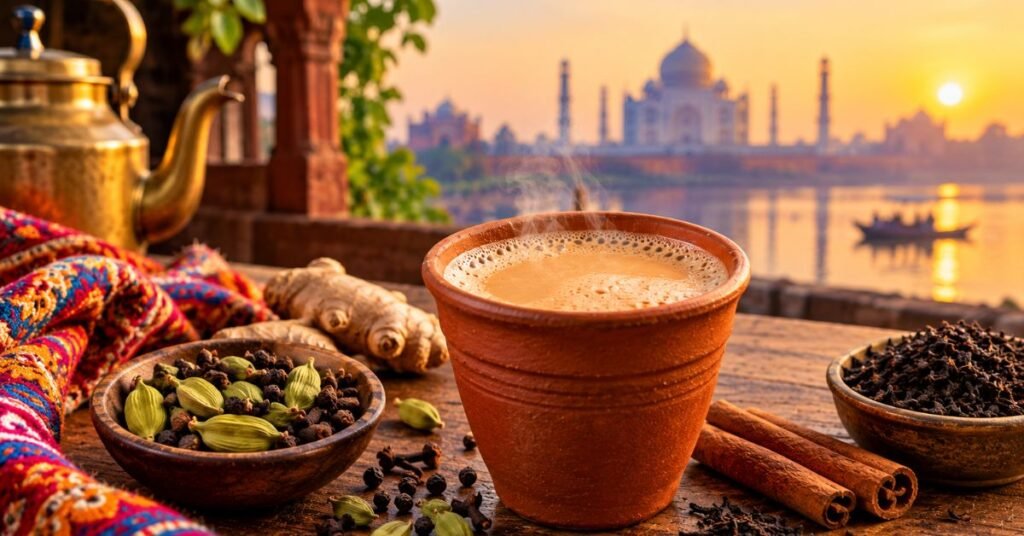
Masala chai is one of India’s most recognizable traditional beverages. People make it by brewing black tea with milk, water, sugar, and aromatic spices.
Common ingredients include cardamom, ginger, cinnamon, cloves, and black pepper. Recipes vary from household to household, so the flavor may be strong and spicy in one place and sweeter in another.
Street-side tea stalls are an important part of everyday life in many Indian cities. Locals often stop for a small cup of chai while commuting, working, or meeting friends.
Where to try it: Local tea stalls and traditional cafés across India.
Why try it: It offers a comforting combination of tea, milk, and warming spices.
2. Lassi – India and Pakistan
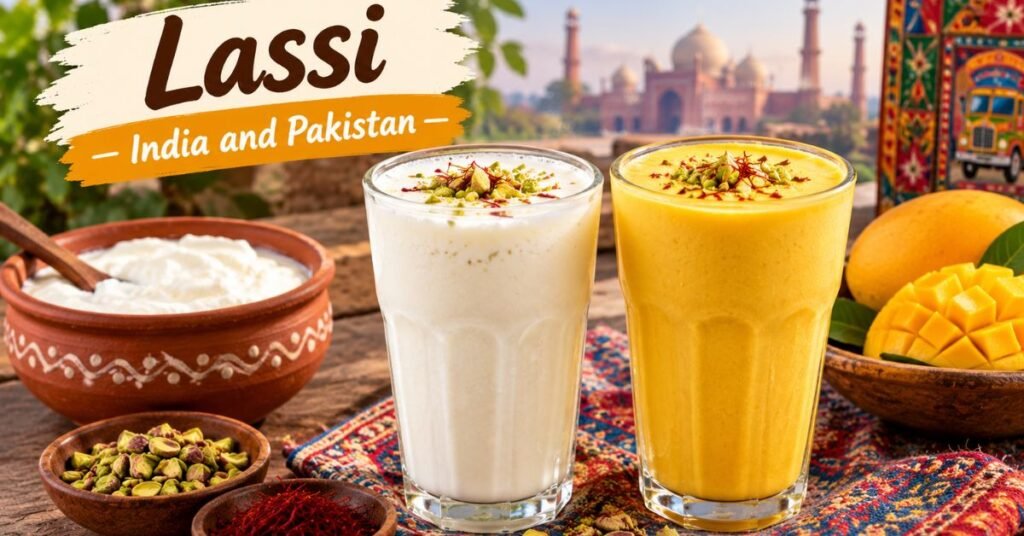
People in India and Pakistan enjoy lassi, a popular yogurt-based drink. In Punjab, many people serve it alongside traditional meals, especially during warm weather.
Sweet lassi may contain yogurt, water or milk, and sugar. Mango lassi adds mango pulp, while salted lassi can include salt, roasted cumin, or other seasonings.
Its creamy texture and cooling taste make it a popular choice during hot weather. Some traditional versions are served in large glasses or clay cups.
Where to try it: Punjab, Lahore, Amritsar, and other cities with established Punjabi food traditions.
Why try it: It offers a refreshing, creamy alternative to ordinary soft drinks.
3. Turkish Tea – Türkiye

Turkish tea, commonly known as çay, is an important part of everyday social life in Türkiye. It is usually prepared from black tea leaves and served hot in small, tulip-shaped glasses.
The tea is often brewed using a double teapot system, allowing the drinker to adjust its strength by mixing concentrated tea with hot water.
Turkish tea is served in homes, offices, restaurants, and shops. Offering tea to guests is also a familiar expression of hospitality.
Where to try it: Istanbul, Ankara, traditional tea gardens, and neighborhood cafés throughout Türkiye.
Why try it: It provides an authentic introduction to Turkish hospitality and daily customs.
4. Vietnamese Iced Coffee – Vietnam
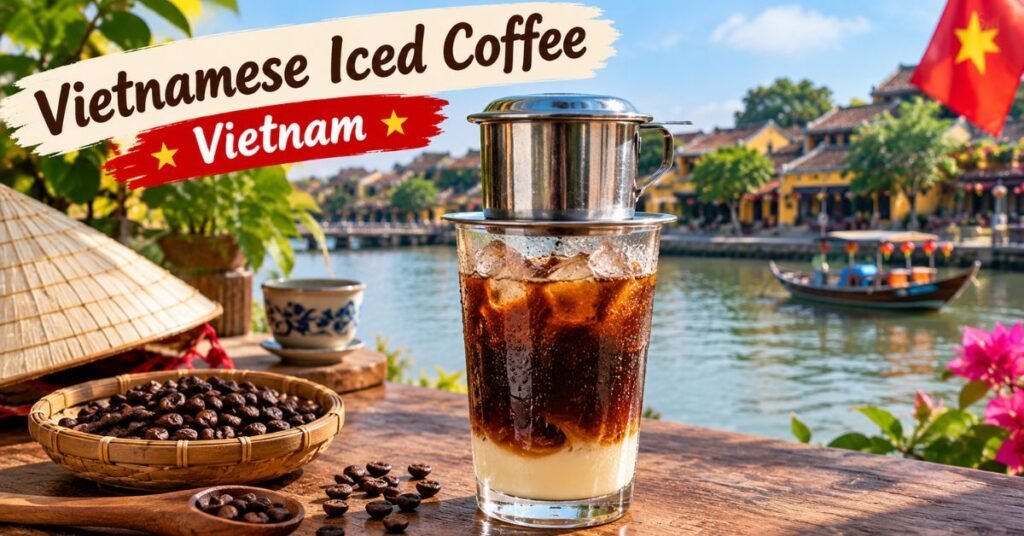
Vietnamese iced coffee, known as cà phê sữa đá when prepared with condensed milk, is famous for its bold flavor and sweetness.
It is commonly made by slowly brewing strong coffee through a small metal filter. The coffee is then combined with sweetened condensed milk and served over ice.
Some cafés also serve black iced coffee without condensed milk. Coffee preparation and flavor can differ by region and café.
Vietnam has a strong café culture, and enjoying coffee while watching busy streets is a memorable travel experience.
Where to try it: Hanoi, Ho Chi Minh City, and local cafés across Vietnam.
Why try it: It combines strong coffee with a rich, sweet flavor and refreshing ice.
5. Fresh Coconut Water – Thailand

Fresh coconut water is widely enjoyed in tropical destinations, including Thailand. It is the naturally occurring liquid inside a young coconut and is different from coconut milk, which is made from coconut flesh.
In Thailand, fresh coconuts are sold at markets, beaches, street stalls, and fruit shops. Vendors may cut open a coconut and provide a straw so customers can drink directly from it.
Coconut water contains fluid and electrolytes, but its nutritional content varies. It should not be considered a replacement for medical treatment or specialized rehydration solutions when those are needed.
Where to try it: Bangkok markets, Phuket, Krabi, and other tropical areas of Thailand.
Why try it: It offers a naturally refreshing taste that suits warm-weather sightseeing.
6. Moroccan Mint Tea – Morocco
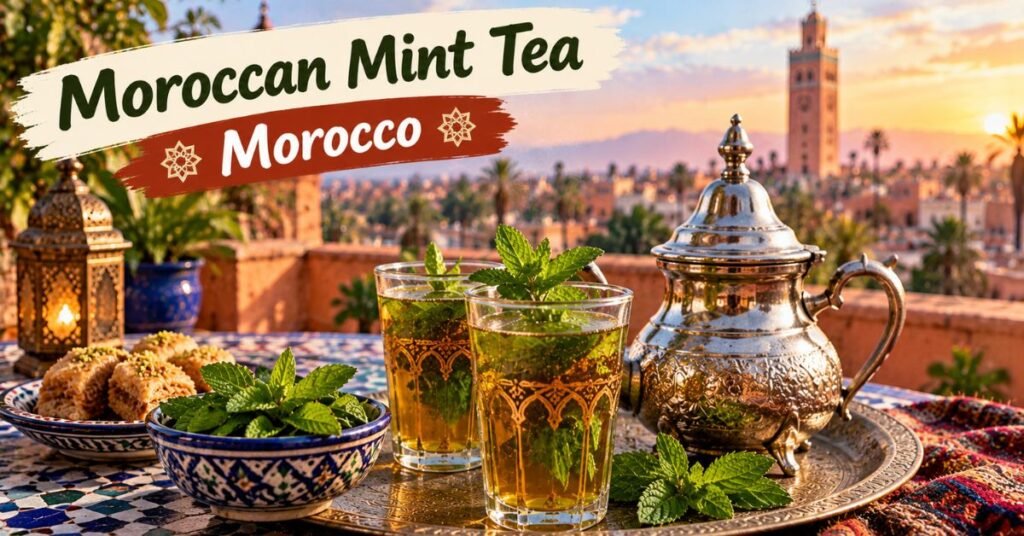
Moroccan mint tea is a traditional beverage prepared using green tea, fresh mint, and often sugar. It is commonly served to guests and plays an important role in social gatherings.
The tea is sometimes poured from a height into small glasses, creating a little foam on top. This serving style is part of the experience in many traditional settings.
The balance of mint, tea, and sweetness varies according to personal preference and local custom.
Where to try it: Marrakech, Fez, traditional riads, and Moroccan tea houses.
Why try it: It combines refreshing mint with a distinctive tradition of hospitality.
7. Horchata – Mexico
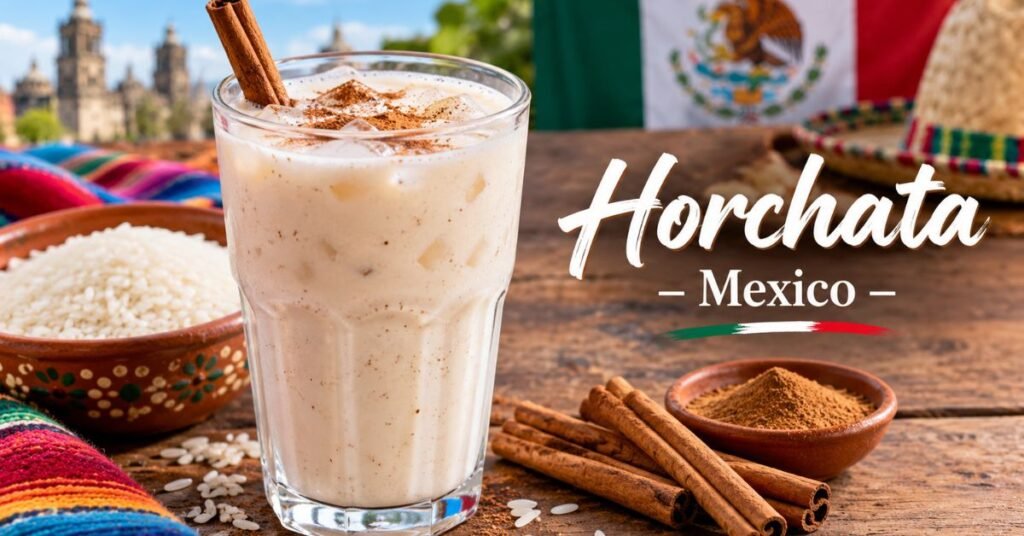
Horchata is a sweet, milky-looking beverage served in many parts of Mexico. A common Mexican version is prepared with rice, water, cinnamon, and sugar, although recipes differ by region.
The rice is usually soaked and blended with water before the mixture is strained and seasoned. Some versions include milk or other ingredients.
Horchata is often served cold alongside tacos, grilled foods, and other popular Mexican dishes. It is particularly appealing in warm weather.
Where to try it: Mexico City, Oaxaca, local markets, and traditional Mexican restaurants.
Why try it: Its gentle cinnamon flavor and creamy texture make it a popular non-alcoholic choice.
8. Aguas Frescas – Mexico
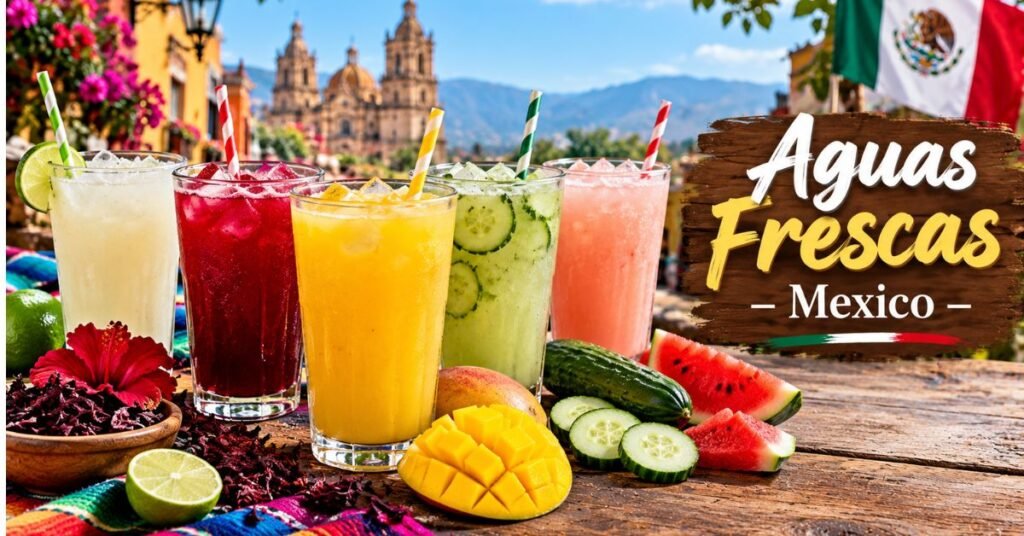
Aguas frescas are light, refreshing beverages made using water, fruit, flowers, seeds, or other ingredients. They are common in Mexico and come in many varieties.
Popular options include agua de jamaica, made with hibiscus, and watermelon or pineapple drinks. Some recipes contain sugar, while others are prepared with little or none.
You can often find these beverages in markets, food stalls, and restaurants. They offer an easy way to discover local fruit flavors.
Where to try them: Mexican food markets, street-food stalls, and casual restaurants.
Why try them: Their variety makes it easy to sample different local ingredients.
9. Ayran – Türkiye
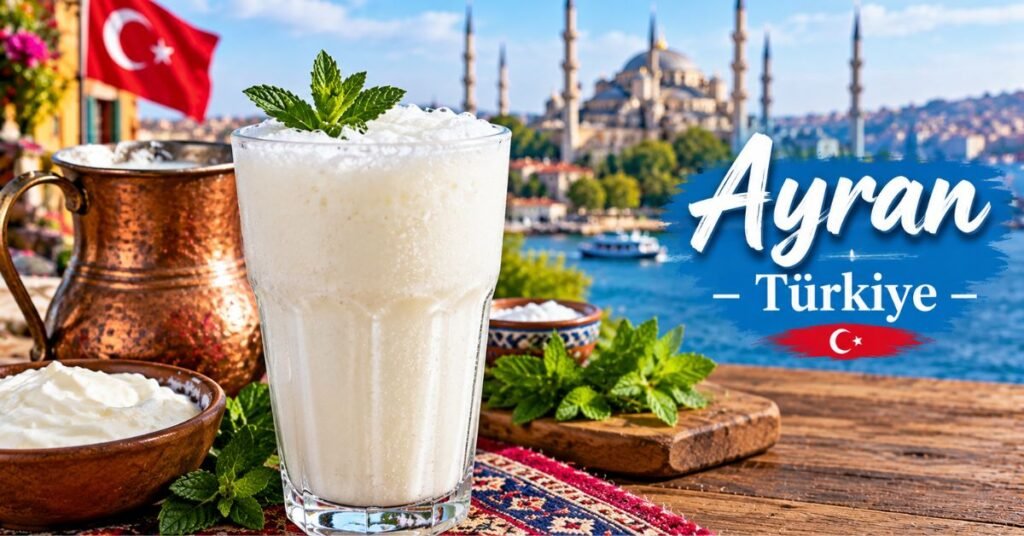
Ayran is a savory drink made by mixing yogurt, water, and salt. It is popular in Türkiye and is also enjoyed in other parts of the region.
Its slightly tangy flavor pairs well with grilled meat, kebabs, flatbreads, and spicy dishes. Unlike sweet yogurt drinks, ayran is generally served without sugar.
It is available in supermarkets, restaurants, and casual eateries, making it an easy beverage for travelers to find.
Where to try it: Local restaurants and traditional eateries throughout Türkiye.
Why try it: It offers a savory, tangy alternative to sweet beverages.
10. Mate – Argentina and Uruguay

Mate is a traditional South American drink that people make from the leaves of the yerba mate plant. People in Argentina and Uruguay especially enjoy this beverage as part of their daily routines.
People place the yerba mate leaves in a special container called a mate and add hot water. They then sip the drink through a metal straw known as a bombilla.
Mate contains caffeine and has a distinctive earthy, sometimes bitter flavor.People also enjoy mate as a social drink and often share it with others. Travelers should learn local customs before joining a group.
Where to try it: Buenos Aires, Montevideo, and traditional cafés or cultural experiences in the region.
Why try it: It offers a taste of an important South American social tradition.
11. Salep – Türkiye
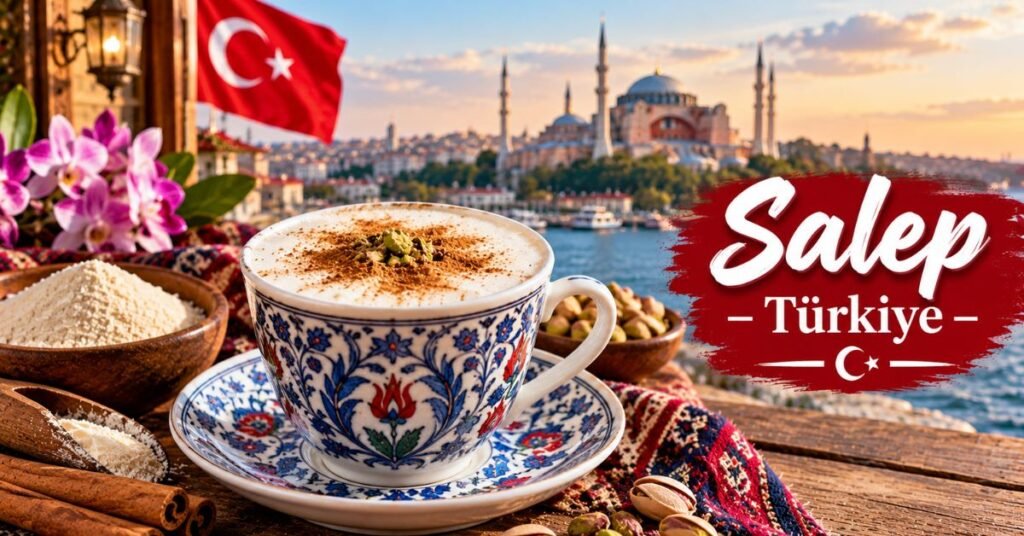
Salep is a warm, creamy beverage traditionally associated with Türkiye and parts of the surrounding region. It is commonly prepared with milk, sugar, and salep powder derived from orchid tubers.
The drink is often topped with cinnamon and is especially popular during colder months. Its thick texture makes it feel more like a warming treat than an ordinary cup of tea.
Authentic salep can be expensive, and the harvesting of some wild orchids raises conservation concerns. Travelers can look for responsibly sourced products and check the ingredients used by cafés.
Where to try it: Turkish cafés and traditional beverage shops, particularly in winter.
Why try it: Its smooth texture and cinnamon topping make it a distinctive seasonal drink.
12. Limoncello-Style Lemon Drinks – Italy
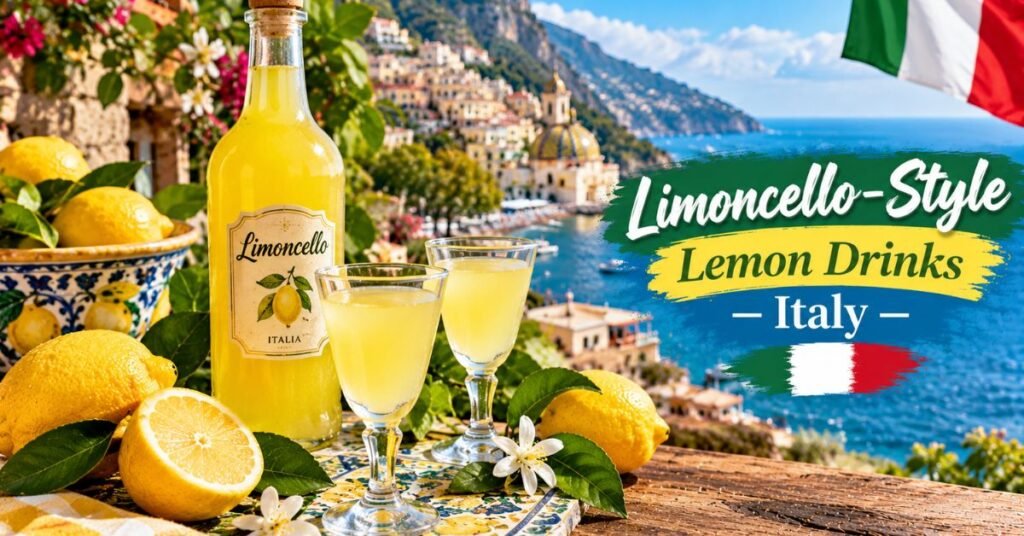
Italy offers a variety of lemon-based refreshments, especially in areas known for citrus production. Fresh limonata is a non-alcoholic option commonly made with lemon juice, water, and sugar.
It is particularly appealing in warm coastal areas, where lemons are an important part of local food culture.
Travelers may also encounter limoncello, a traditional lemon liqueur associated with southern Italy. Unlike limonata, limoncello contains alcohol and is generally served in small quantities as a digestif.
Where to try it: Naples, the Amalfi Coast, Sicily, and Italian cafés.
Why try it: Lemon-based drinks provide a bright, citrusy taste associated with Mediterranean flavors.
13. Bubble Tea – Taiwan
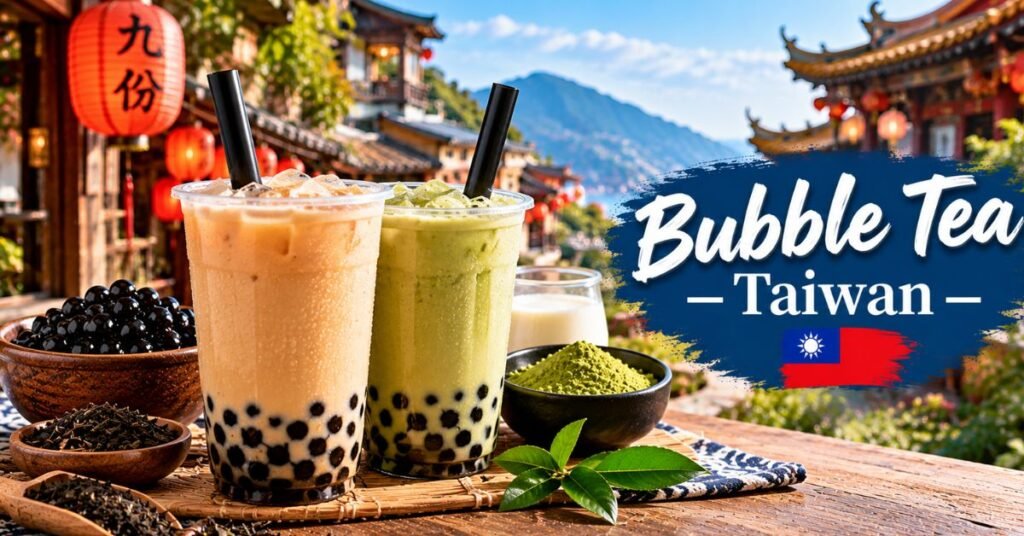
Bubble tea, also known as boba tea, became widely popular after emerging in Taiwan during the late twentieth century. It is typically made with tea, milk or a fruit-based mixture, and chewy tapioca pearls.
Modern shops offer many variations, including fruit teas, milk teas, different toppings, and adjustable sweetness levels.
Trying bubble tea in Taiwan can be a fun way to explore the island’s modern beverage culture. Travelers can often choose the amount of sugar and ice when ordering.
Where to try it: Taipei and tea shops across Taiwan.
Why try it: It combines customizable flavors with an unusual chewy texture.
14. Sugarcane Juice – India and Southeast Asia
People in many warm regions, including India and parts of Southeast Asia, enjoy fresh sugarcane juice. Vendors extract the juice from sugarcane stalks and sometimes mix it with lemon, ginger, or other ingredients to add flavor.
The drink tastes naturally sweet, and street vendors often sell it fresh to customers.
Street vendors may prepare fresh juice using equipment exposed to dust and other contaminants. Travelers should choose vendors who use clean equipment, fresh ingredients, and safe food-handling practices.Pasteurized alternatives may be a safer option when hygiene is uncertain.
Where to try it: Reputable juice shops and clean market stalls in India and Southeast Asia.
Why try it: It offers a sweet, fresh taste that reflects the region’s sugarcane-growing traditions.
15. Ginger Tea – Many Countries
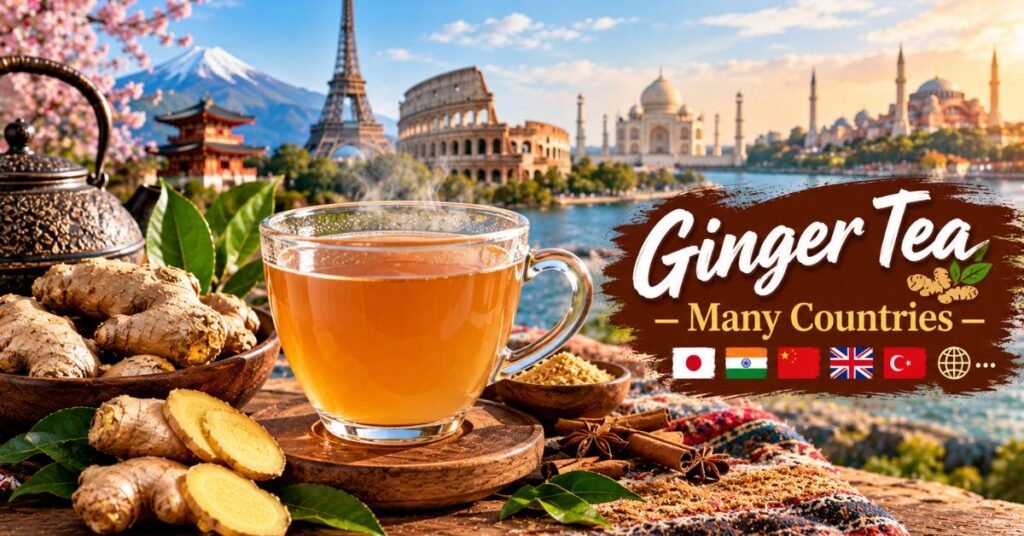
People in many countries, including India, China, and parts of Southeast Asia, enjoy ginger tea. They prepare it by simmering fresh ginger in water and sometimes add lemon, honey, or other ingredients for extra flavor.
Unlike some drinks associated with a single country, ginger tea has many regional variations. Some versions are light and mild, while others are strong and spicy.
It is often served at home, in cafés, and at traditional food stalls. Travelers can enjoy it as a warm beverage during cooler weather or after a long day of sightseeing.
Where to try it: Local tea shops and cafés across Asia and beyond.
Why try it: Its aromatic, spicy flavor offers a simple way to explore traditional herbal drinks.
Tips for Trying Local Drinks Safely

Exploring traditional beverages can be enjoyable, but travelers should consider hygiene, ingredients, and their own dietary needs.
Choose Clean and Reputable Vendors
Look for places where drinks are prepared using clean equipment and ingredients are handled properly. Busy stalls can be appealing, but popularity alone does not guarantee food safety.
Be Careful With Ice
In destinations where tap water is not considered safe to drink, ice made from unsafe water can also pose a risk. Choose drinks without ice or use establishments that can confirm the ice is made from safe water.
Check the Ingredients
Some drinks contain dairy, nuts, caffeine, added sugar, or other ingredients that may not suit everyone. Ask about ingredients if you have allergies or dietary restrictions.
Drink Alcohol Responsibly
Some traditional beverages contain alcohol, even when they look like ordinary fruit drinks or teas. Check the ingredients, follow local laws, and avoid alcohol if it is not appropriate for you.
Stay Hydrated
Local beverages can be part of your travel experience, but safe drinking water remains important. Sugary drinks and caffeinated beverages should not be your only source of fluids.
How to Find the Best Local Drinks at Your Destination
Finding authentic drinks does not always require an expensive tour.
- Visit traditional markets: Markets often feature regional fruit juices, teas, and other everyday beverages.
- Ask local residents: Hotel staff, guides, and shopkeepers may recommend respected cafés or traditional vendors.
- Explore neighborhood cafés: Smaller establishments may serve drinks that reflect local customs and ingredients.
- Read menus carefully: Look for local beverage names and ask for a description if you are unfamiliar with them.
Respect local customs and ask before photographing people or private cultural ceremonies.
Final Thoughts
Exploring must try local drinks is a great way to experience local culture, discover traditional flavors, and make your travel adventures more memorable.Trying traditional beverages is a simple and enjoyable way to explore the culture of a new destination. From masala chai in India to Turkish tea, Vietnamese iced coffee, Mexican horchata, and South American mate, every drink offers a different combination of flavors and traditions.
When planning your next trip, add a few local beverages to your food itinerary. Ask residents for recommendations, explore traditional cafés, and look for seasonal specialties. Remember to consider hygiene, ingredients, and local customs when choosing what to drink.
The best travel experiences often come from small discoveries, and a traditional local drink can become one of the most memorable parts of your journey.
FAQs
1. What are the best local drinks to try while traveling?
Popular options include Indian masala chai, Pakistani and Indian lassi, Turkish tea, Vietnamese iced coffee, Mexican horchata, and fresh coconut water in tropical destinations.
2. Which traditional drinks are non-alcoholic?
Masala chai, lassi, Turkish tea, Vietnamese coffee, coconut water, Moroccan mint tea, horchata, ayran, and ginger tea are generally non-alcoholic when prepared traditionally without alcoholic additions.
3. How can I choose safe street drinks while traveling?
Choose clean vendors who use fresh ingredients and safe water. Be cautious with ice where water quality is uncertain, and check how drinks are prepared.
4. Are traditional drinks always healthy?
No. Some contain considerable added sugar, caffeine, salt, or calories. Their nutritional value depends on the ingredients and serving size.
5. What should I drink in a hot country?
Safe drinking water is essential. Coconut water and suitable fruit-based drinks can provide variety, but choose hygienically prepared beverages and do not rely only on sweet drinks for hydration.
6. What is a popular drink in Argentina?
Mate is one of Argentina’s best-known traditional beverages. It is an infusion made from yerba mate leaves and contains caffeine.
7. What is the difference between coconut water and coconut milk?
Coconut water is the natural liquid inside a coconut. Coconut milk is usually made by mixing coconut flesh with water and extracting the liquid.
8. Why should travelers try traditional beverages?
Traditional drinks offer insight into local ingredients, customs, hospitality, and everyday life. They can make a trip more memorable and help travelers discover regional flavors.
