

Traveling the world does not have to be expensive. With the right planning, you can explore beautiful destinations, experience different cultures, enjoy local food, and create unforgettable memories without spending too much money. Whether you are planning a weekend getaway, a family vacation, or an international adventure, following the right travel for cheap tips can help you save money while enjoying your trip.
Many travelers believe that international travel requires a large budget. However, choosing affordable destinations, booking transportation wisely, staying in budget-friendly accommodations, and eating local food can significantly reduce your expenses.
In this guide, we will share practical ways to travel on a budget, avoid unnecessary costs, and make the most of your travel experience.
1. Plan Your Trip in Advance
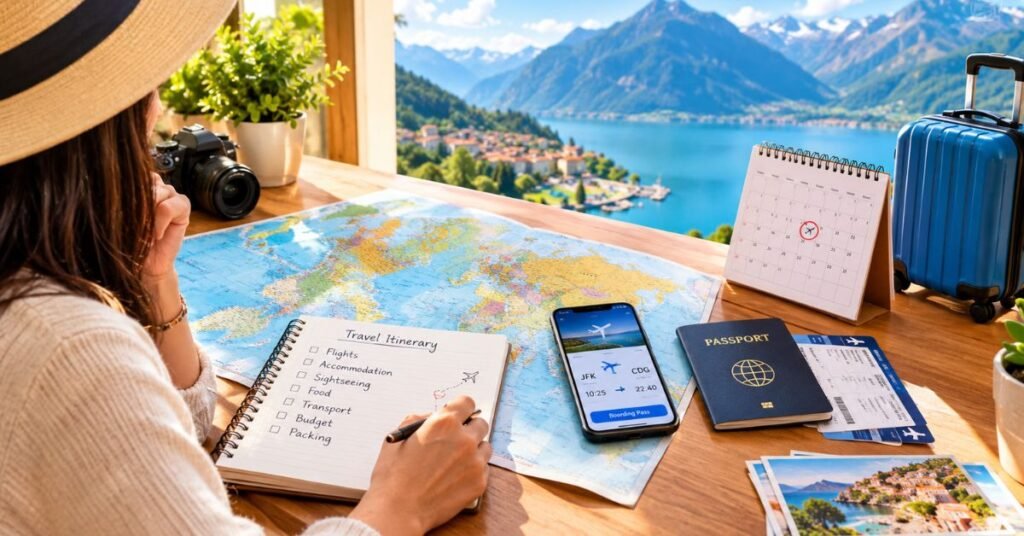
One of the easiest ways to save money is to plan your trip before your departure date. Early planning gives you more time to compare prices, find discounts, and choose affordable options.
Start by deciding where you want to go, how long you want to stay, and how much money you can spend. Research the average costs of flights, accommodation, food, transportation, and activities at your destination.
Create a simple travel budget that includes:
- Transportation and flight tickets
- Hotel or accommodation expenses
- Food and drinks
- Sightseeing and entertainment
- Travel insurance
- Visa fees, where applicable
- Emergency expenses
Planning ahead can help you avoid last-minute bookings, which are sometimes more expensive. However, prices vary by destination, season, and demand, so compare different options before making reservations.
2. Travel During the Off-Season

Traveling during the off-season is one of the most effective ways to reduce travel expenses. Popular destinations often become more expensive during school holidays, summer vacations, major festivals, and other busy periods.
During quieter months, you may find lower prices for flights, hotels, and organized tours.
For example, some European destinations are more affordable during late autumn or winter, while certain tropical destinations offer better prices outside their busiest holiday periods.
Before booking, research the weather and local conditions. Some destinations experience heavy rainfall, extreme temperatures, or limited transportation services during their off-season.
Budget tip: Consider traveling during the shoulder season, which falls between peak and off-peak periods. You may enjoy pleasant weather, fewer crowds, and better prices.
3. Compare Flight Prices Before Booking
Airfare can take up a significant part of your travel budget, especially when traveling internationally. Comparing flight prices before booking can help you find better deals.
Use flight comparison websites to check different airlines, departure times, and travel dates. If your schedule is flexible, compare flights departing a few days earlier or later.
Consider these tips when searching for affordable flights:
- Book your flight when the price and schedule suit your budget.
- Compare round-trip and one-way fares where practical.
- Check nearby airports if transportation to them is affordable.
- Consider connecting flights if the savings justify the additional time.
- Review baggage fees before choosing a low-cost airline.
- Read the ticket conditions before completing your purchase.
There is no universal rule that booking on a particular weekday will always produce the cheapest fare. Prices change according to demand, availability, and airline pricing systems.
Always compare the total cost rather than looking only at the advertised ticket price.
4. Choose Budget-Friendly Accommodation
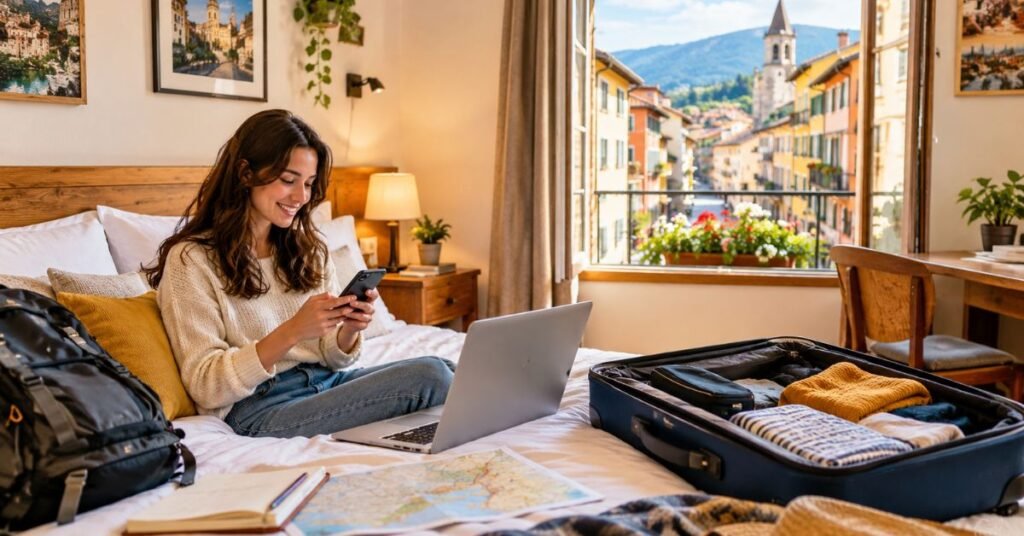
Accommodation is another major travel expense. Fortunately, travelers have many options beyond expensive hotels.
Depending on your destination and preferences, you can consider hostels, guesthouses, budget hotels, homestays, or vacation rentals.
Hostels are particularly useful for solo travelers because they often offer shared rooms at lower prices. Guesthouses and family-run accommodations may provide a more local experience at reasonable rates.
When comparing accommodation, consider:
- The total price, including taxes and fees
- Distance from public transportation
- Safety of the neighborhood
- Guest reviews and cleanliness
- Kitchen facilities
- Cancellation policies
- Wi-Fi and other essential amenities
A cheap room far from major attractions may not actually save money if you spend more on transportation.
Choose accommodation that balances price, comfort, safety, and location.
5. Eat Local Food Instead of Expensive Restaurant Meals
Food is an important part of traveling, but dining at tourist-focused restaurants for every meal can quickly increase your expenses.
One of the best travel for cheap tips is to explore local food markets, small restaurants, bakeries, and street-food stalls with good hygiene practices.
Local meals are often more affordable than dishes served in heavily visited tourist areas. They also give you an opportunity to discover traditional flavors and understand the culture of your destination.
For example, travelers can try local noodle dishes in Vietnam, traditional rice meals in Thailand, or regional street food in Mexico.
You can save even more by choosing accommodations with kitchen facilities and preparing simple breakfasts or snacks.
Important: Choose busy food stalls with good food-handling practices, and make sure meals are freshly prepared and served at a safe temperature.
6. Use Public Transportation
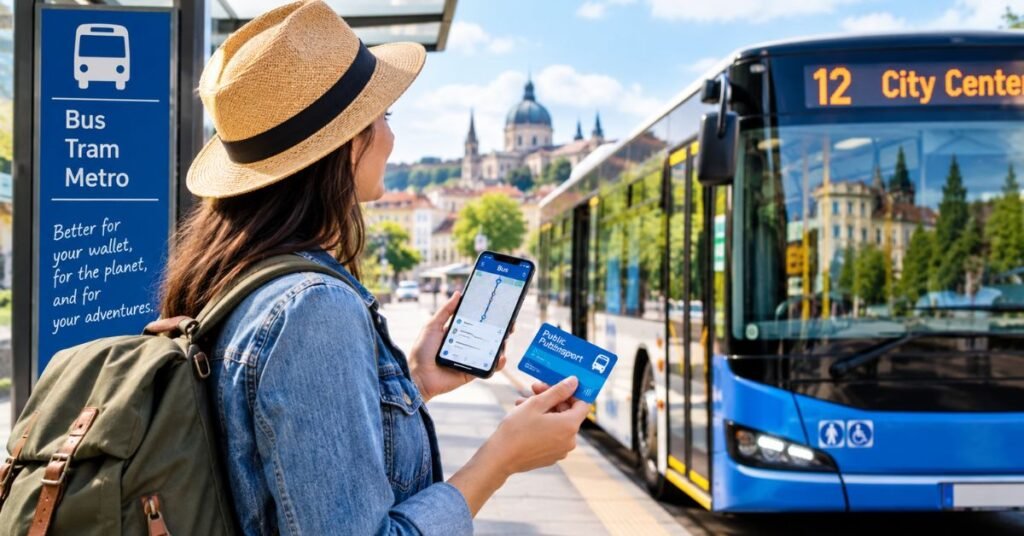
Taxis, private transfers, and rental cars can be convenient, but they may cost more than public transportation.
Buses, trains, metro systems, and local transport services are often affordable ways to explore a destination.
Before traveling, research the available transportation options. Some cities offer daily or weekly travel passes that can reduce the cost of frequent journeys.
Here are some useful suggestions:
- Use public buses and trains when practical.
- Walk between nearby attractions.
- Consider cycling where safe routes are available.
- Check whether tourist travel passes offer genuine savings.
- Use official transportation apps to understand routes and fares.
Walking is particularly useful in compact city centers. It saves money and allows you to discover local shops, historic streets, and hidden attractions.
However, always consider personal safety, accessibility, weather, and the distance between destinations.
7. Visit Free Tourist Attractions
You do not need to pay for every activity to enjoy a destination. Many cities offer free attractions that provide memorable experiences.
Public parks, historic neighborhoods, beaches, walking trails, local markets, and some museums can be explored without an entrance fee.
Some museums also offer free admission on selected days, although availability and conditions vary.
Before your trip, research free things to do at your destination.
You might discover:
- Beautiful public gardens
- Historic buildings and old towns
- Scenic viewpoints
- Free walking tours
- Cultural festivals
- Beaches and nature trails
- Public art installations
Remember that free walking tours may operate on a tip-based system. Check the details before joining.
By combining free attractions with a few paid experiences, you can enjoy a balanced itinerary without overspending.
8. Pack Light to Avoid Extra Fees
Packing light can save money and make your journey easier. Many airlines charge additional fees for checked baggage or luggage that exceeds their permitted limits.
Before leaving home, check your airline’s baggage allowance, including cabin bag dimensions and weight restrictions.
Pack versatile clothing that you can combine in different ways. Choose comfortable shoes, travel-size toiletries where permitted, and essential personal items.
Your basic packing list may include:
- Suitable clothing for the weather
- Comfortable walking shoes
- Travel documents
- Reusable water bottle
- Phone charger
- Necessary medications
- Small personal hygiene kit
- Lightweight day bag
Avoid packing items that you can easily borrow or obtain affordably at your destination.
Always follow airport security requirements and airline restrictions for liquids, batteries, and other restricted items.
9. Travel With a Reusable Water Bottle

Buying bottled water repeatedly can increase your daily travel expenses. Carrying a reusable water bottle may help reduce these costs.
However, check whether tap water is safe to drink at your destination. In places where the water supply is not considered safe, use sealed bottled water or an appropriate treatment method recommended by reliable local health guidance.
Some airports and public places provide refill stations, but availability differs by location.
A reusable bottle is also useful during sightseeing, hiking, and long journeys.
This small habit can help you save money while reducing single-use plastic waste where safe refill options are available.
10. Find Affordable Travel Activities
Organized tours and premium experiences can be enjoyable, but booking every activity through expensive providers may stretch your budget.
Compare prices before paying for sightseeing packages, guided tours, and excursions.
You can often explore destinations independently using public transportation, walking routes, maps, and official visitor information.
However, guided tours may be worthwhile for remote locations, complicated routes, or activities requiring specialist knowledge.
To save money:
- Compare tour operators and inclusions.
- Check official attraction websites for ticket prices.
- Look for legitimate combination tickets.
- Ask about student or family discounts if eligible.
- Book popular attractions in advance when required.
- Avoid unofficial ticket sellers.
Choose experiences that genuinely interest you instead of paying for activities simply because they appear on a popular tourist checklist.
11. Avoid Hidden Travel Costs
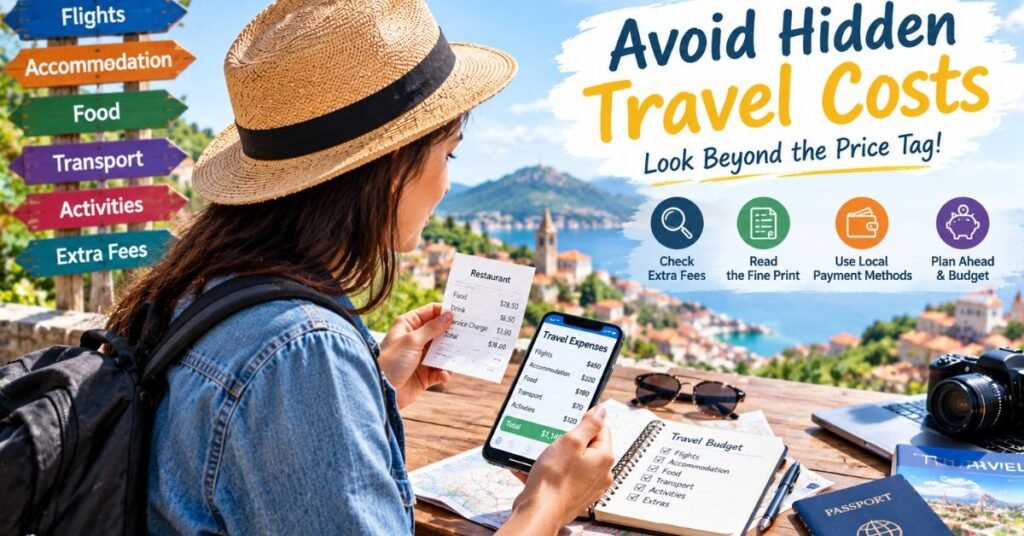
Unexpected expenses can quickly turn an affordable vacation into an expensive one.
Before departure, review the additional costs associated with flights, hotels, transportation, and activities.
Common hidden expenses include baggage fees, airport transfers, hotel service charges, roaming fees, ATM charges, and currency conversion fees.
Travel insurance can also be important because unexpected medical treatment, trip interruptions, or lost belongings may create substantial expenses. Compare policies and understand their coverage, exclusions, and limits.
You can reduce unnecessary costs by:
- Checking all booking fees before paying.
- Comparing airport transportation options.
- Reviewing international mobile data plans.
- Understanding your bank’s foreign transaction charges.
- Using official booking platforms.
- Keeping an emergency fund.
Do not sacrifice essential safety measures just to reduce your spending. A slightly more expensive but reliable transportation service or secure accommodation may offer better overall value.
12. Choose Affordable Travel Destinations
Your destination has a major impact on your overall travel budget.
Some countries offer relatively affordable accommodation, meals, and public transportation compared with more expensive destinations. However, your actual costs will depend on the city, season, exchange rate, and travel style.
Travelers looking for affordable international experiences might research destinations such as Vietnam, Thailand, Nepal, Indonesia, or parts of Eastern Europe.
Before choosing a destination, compare:
- Average accommodation prices
- Local food costs
- Transportation expenses
- Visa requirements and fees
- Flight prices from your departure city
- Travel insurance costs
- Seasonal weather conditions
A destination with inexpensive hotels may still be costly to reach. Therefore, calculate the estimated total trip cost rather than comparing daily expenses alone.
Also check official travel advisories and entry requirements before booking.
13. Use Travel Apps to Save Money
Travel apps can help you compare prices, organize bookings, navigate unfamiliar places, and manage your budget.
Consider using tools for flight comparisons, accommodation searches, offline maps, public transportation, currency conversion, and expense tracking.
Download important maps before leaving your hotel so that you can access directions without using mobile data.
Keep digital copies of your reservations and travel documents, but protect sensitive information and maintain access to essential documents when your phone battery runs low.
Do not automatically choose the first deal an app displays. Compare prices with official providers and read the terms carefully.
A few minutes of research can help you avoid unnecessary charges and make better decisions.
14. Set a Daily Travel Budget

A daily budget helps you monitor spending and avoid running out of money before your trip ends.
Start by calculating your total available travel funds. Subtract major prepaid expenses, such as flights and accommodation, and divide the remaining amount across your travel days.
For example, if you have $600 remaining for a 10-day trip after paying for flights and accommodation, your average spending allowance is $60 per day.
This amount must cover the expenses you still need to pay, such as meals, local transportation, entrance fees, and other activities.
Your budget should reflect the cost of your destination and your personal needs.
Track expenses daily and leave some money for emergencies. If you spend more than expected on one day, look for affordable activities or meals the following day rather than abandoning your budget entirely.
Conclusion
Traveling on a limited budget is possible when you make thoughtful choices before and during your trip. By planning ahead, comparing flight prices, choosing affordable accommodation, eating local food, and exploring free attractions, you can enjoy meaningful travel experiences without unnecessary spending.
The most effective travel for cheap tips focus on value rather than simply choosing the lowest price. Safe accommodation, reliable transportation, and memorable local experiences are often worth spending a little more on.
Start by selecting a destination that fits your budget, researching your options, and creating a realistic spending plan. With preparation and flexibility, you can explore new places, experience different cultures, and make lasting memories while keeping your expenses under control.
FAQs
1. What is the cheapest way to travel?
Compare transportation prices, travel during less busy periods, choose affordable accommodation, and use public transportation whenever practical.
2. How can I travel on a small budget?
Set a spending limit, choose an affordable destination, eat local food, visit free attractions, and avoid unnecessary fees.
3. When is the cheapest time to travel?
Traveling during the off-season or shoulder season can be cheaper, depending on the destination and local conditions.
4. How can I find cheap flights?
Compare multiple airlines, check flexible travel dates, review nearby airports, and consider baggage fees before booking.
5. Is traveling on a budget safe?
Yes, budget travel can be safe if you choose secure accommodation, use reliable transportation, protect your belongings, and follow local safety guidance.
6. Which countries are good for budget travelers?
Vietnam, Nepal, Thailand, Indonesia, and some Eastern European destinations may offer affordable options, depending on your departure point and travel plans.
7. How much money should I save before traveling?
Calculate transportation, accommodation, food, activities, insurance, visa fees, and emergency expenses to estimate a suitable budget for your trip.
