
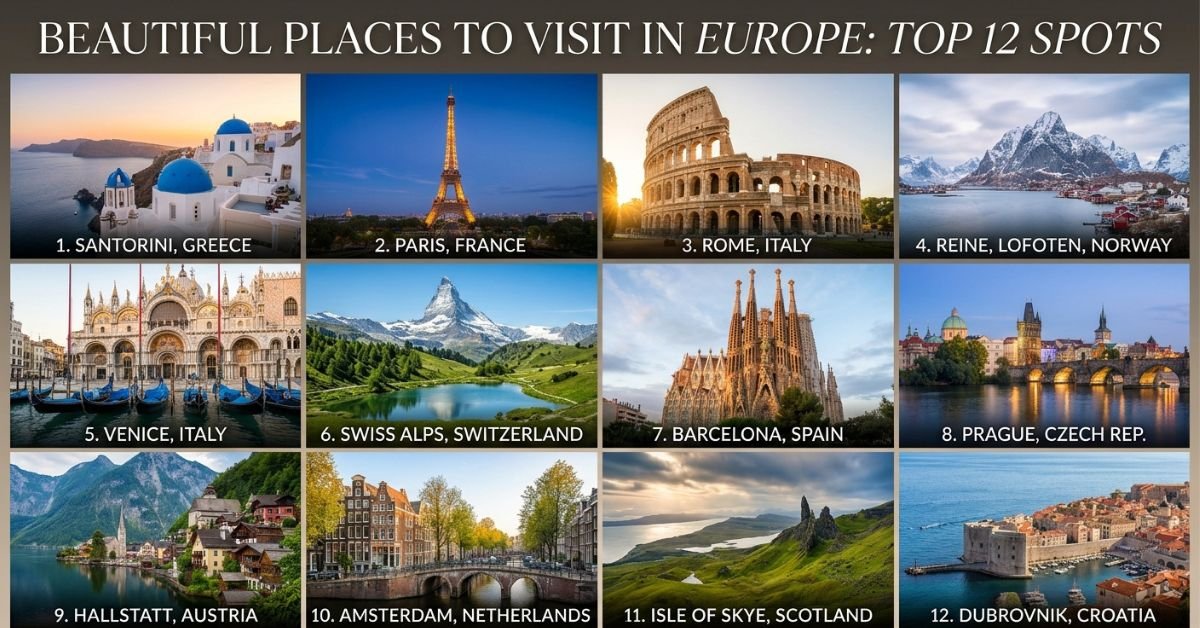
Europe is one of the most beautiful travel destinations in the world, offering historic cities, breathtaking mountains, peaceful lakes, charming villages, and spectacular coastlines. Whether you enjoy exploring famous landmarks, relaxing on sunny beaches, discovering local culture, or experiencing nature, there are countless beautiful places to visit in Europe.
From the romantic streets of Paris to the colorful coastal villages of Italy, every destination offers something special. Travelers can explore ancient castles, admire world-famous architecture, enjoy delicious local food, and discover landscapes that look like postcards.
Europe is also suitable for different types of travelers. Couples can enjoy romantic city breaks, families can visit historical attractions and theme parks, and adventure lovers can explore hiking trails and mountain destinations. Budget-conscious visitors can also discover affordable cities and beautiful natural locations.
12 Beautiful Places to Visit in Europe
In this guide, we will explore 12 beautiful places to visit in Europe, explain what makes each destination special, and share useful travel tips to help you plan your next European adventure.
1. Paris, France

Paris is one of the most famous and beautiful cities in Europe. Known as the City of Light, it attracts millions of visitors with its romantic atmosphere, historic architecture, stylish cafés, and world-famous landmarks.
The Eiffel Tower is the city’s most recognizable attraction. Visitors can enjoy impressive views of Paris from its observation levels or admire the illuminated tower at night. The Louvre Museum is another popular destination, featuring an extensive collection of art and historical treasures.
Travelers can also walk along the Seine River, explore the charming streets of Montmartre, and visit the beautiful Notre-Dame Cathedral area.
Best things to do in Paris:
- Visit the Eiffel Tower.
- Explore the Louvre Museum.
- Take a walk along the Seine River.
- Enjoy French pastries at a local bakery.
- Discover the artistic streets of Montmartre.
Best time to visit: April to June and September to October.
Paris is an excellent choice for couples, art lovers, photographers, and first-time visitors to Europe. However, accommodation and dining can be expensive, so booking ahead and using public transportation can help manage your budget.
2. Santorini, Greece
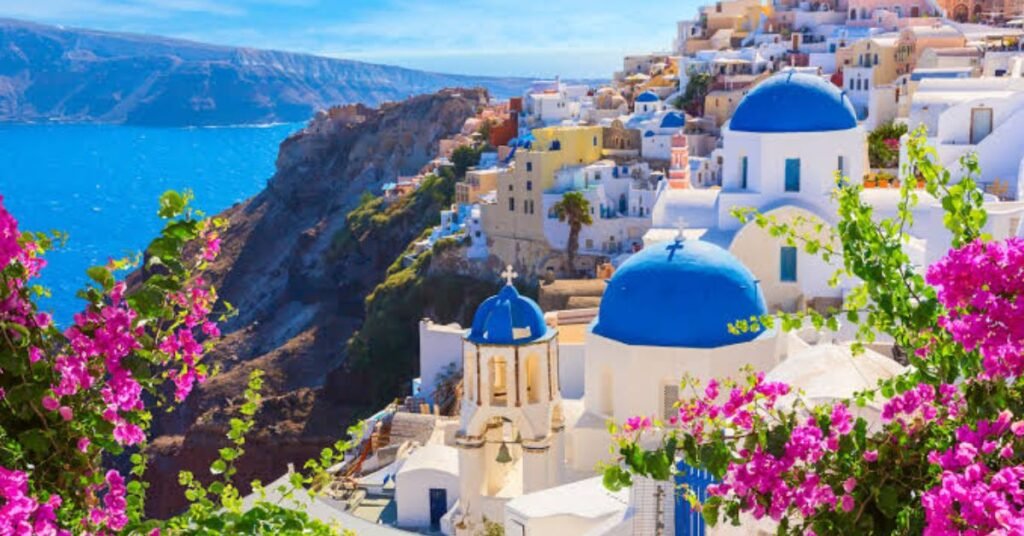
Santorini is one of the most picturesque Greek islands, famous for its whitewashed houses, blue-domed churches, dramatic cliffs, and beautiful sunsets.
The villages of Oia and Fira offer spectacular views of the Aegean Sea. Their narrow streets, traditional buildings, and small shops create a memorable atmosphere for visitors.
Santorini also has volcanic beaches, including Red Beach, where reddish cliffs contrast with the deep blue water. Visitors can enjoy boat trips, local Greek cuisine, and visits to traditional villages.
Best things to do in Santorini:
- Watch the sunset in Oia.
- Explore Fira’s scenic streets.
- Take a boat trip around the volcanic caldera.
- Visit local wineries.
- Enjoy Greek dishes at a seaside restaurant.
Best time to visit: May to June and September to early October.
Santorini is especially popular with honeymooners and couples. July and August are generally busy and hot, so visiting during the shoulder season can offer a more relaxed experience.
3. Venice, Italy
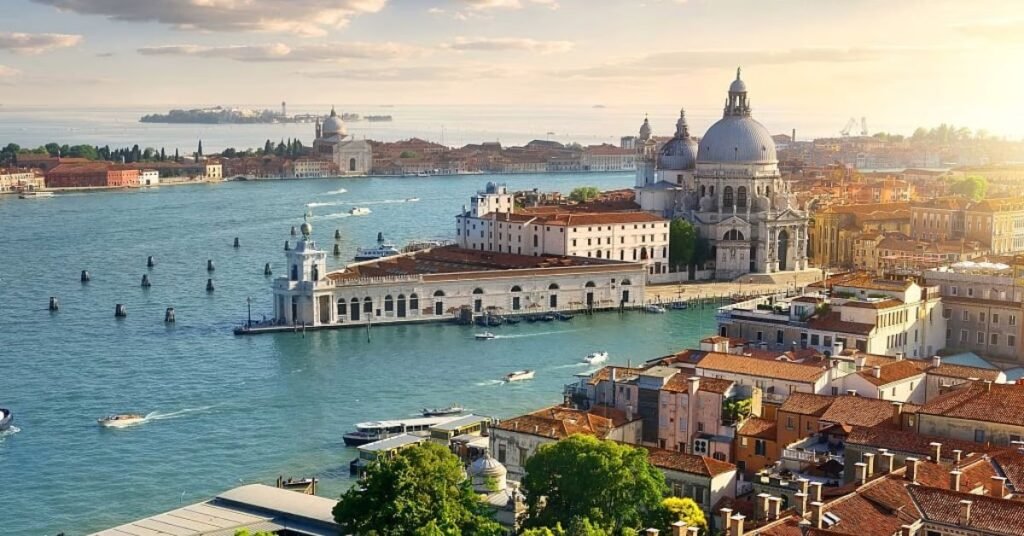
Venice is a unique Italian city built across a network of islands connected by bridges and canals. Instead of ordinary roads, many parts of the historic center are designed around waterways, making the city one of Europe’s most distinctive destinations.
The Grand Canal is a major attraction, lined with historic buildings and elegant palaces. Visitors can take a vaporetto, a public waterbus, to see the city from the water.
St. Mark’s Square is another must-visit location, featuring impressive architecture and the famous St. Mark’s Basilica. Travelers can also explore smaller streets, browse local shops, and discover quieter canals away from the busiest tourist areas.
Best things to do in Venice:
- Take a gondola ride.
- Visit St. Mark’s Square.
- Explore the Rialto Bridge and market area.
- Discover the colorful island of Burano.
- Enjoy traditional Venetian food.
Best time to visit: April to June and September to October.
Venice is ideal for photographers, couples, and history lovers. Walking is one of the best ways to discover the city, but comfortable shoes are essential because many streets and bridges require climbing steps.
4. Swiss Alps, Switzerland
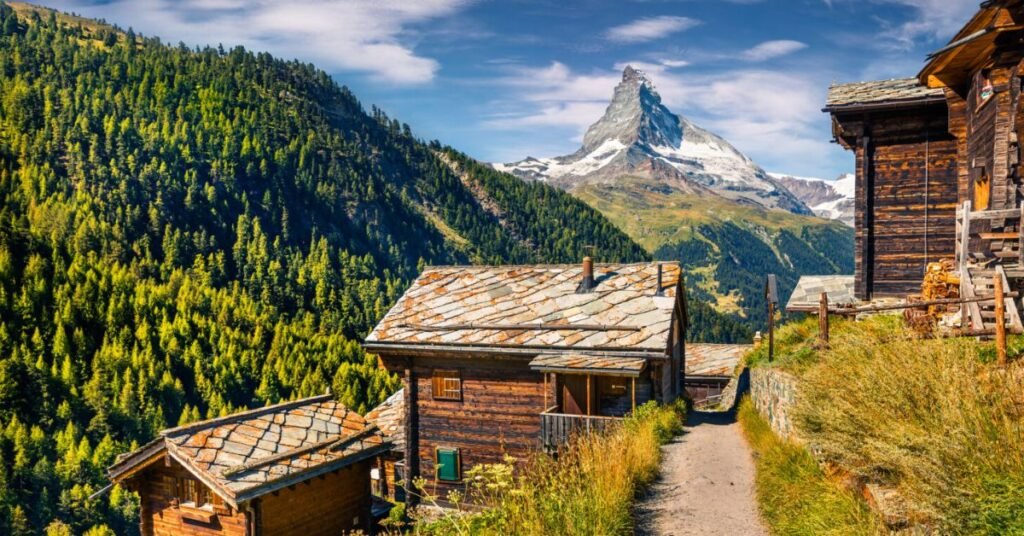
The Swiss Alps are among the most beautiful natural destinations in Europe. Their snow-covered peaks, green valleys, clear lakes, and traditional mountain villages attract nature lovers throughout the year.
Interlaken is a popular base for exploring the surrounding mountains. Nearby destinations such as Lauterbrunnen are known for waterfalls, dramatic cliffs, and scenic walking routes.
Visitors can enjoy mountain railways, panoramic train journeys, hiking, skiing, and photography. In summer, the valleys become green and colorful, while winter transforms many mountain resorts into snowy landscapes.
Best things to do in the Swiss Alps:
- Visit Lauterbrunnen Valley.
- Explore the mountain scenery around Grindelwald.
- Enjoy panoramic train journeys.
- Go hiking during suitable weather.
- Try skiing at a winter resort.
Best time to visit: June to September for hiking and December to March for many winter sports.
Switzerland is generally expensive compared with many European destinations. Travelers can reduce costs by planning transport in advance, choosing accommodation outside major resort centers, and comparing regional travel passes.
5. Amalfi Coast, Italy
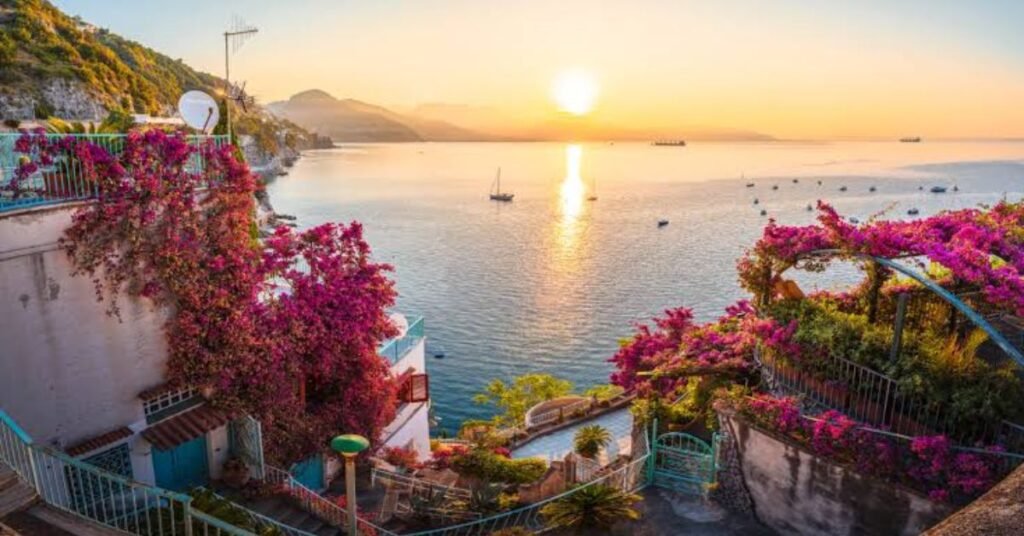
The Amalfi Coast is a spectacular stretch of coastline in southern Italy. It is famous for colorful villages, steep cliffs, Mediterranean views, and winding coastal roads.
Positano is particularly well known for its pastel-colored buildings that descend toward the sea. Amalfi offers historic streets and a striking cathedral, while Ravello is admired for its gardens and panoramic terraces.
Visitors can spend their days exploring villages, relaxing on beaches, enjoying boat trips, and tasting local Italian dishes.
Best things to do on the Amalfi Coast:
- Explore Positano’s streets and beaches.
- Visit Amalfi Cathedral.
- Enjoy the gardens and views in Ravello.
- Take a boat trip along the coast.
- Try local seafood and lemon-based specialties.
Best time to visit: May to June and September.
The Amalfi Coast is especially attractive for couples and travelers seeking beautiful coastal scenery. Roads can be narrow and busy during peak season, so public buses and ferries may be convenient alternatives to driving.
6. Prague, Czechia
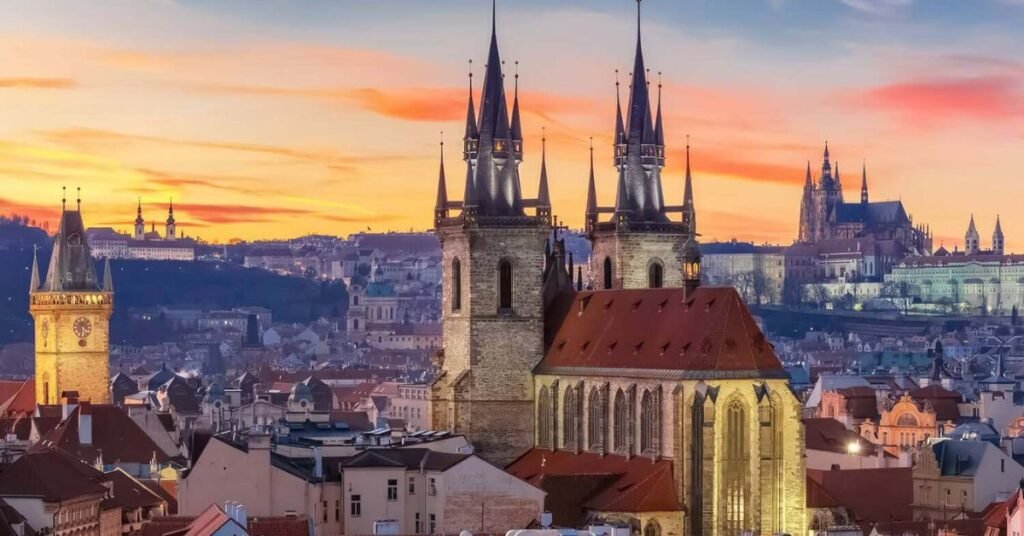
Prague is a beautiful European city known for its medieval architecture, historic squares, red rooftops, and impressive bridges. It also offers a rich cultural atmosphere and a variety of attractions for visitors.
The Old Town Square is one of the city’s most famous locations. It features colorful historic buildings and the Astronomical Clock, which draws crowds throughout the day.
Prague Castle overlooks the city and provides views of its historic center. Charles Bridge is another iconic landmark, especially beautiful in the early morning when the crowds are smaller.
Best things to do in Prague:
- Walk across Charles Bridge.
- Explore Prague Castle.
- Visit Old Town Square.
- See the Astronomical Clock.
- Try traditional Czech dishes.
Best time to visit: April to June and September to October.
Prague can be more affordable than several major Western European capitals, although prices vary by season and neighborhood. It is an excellent choice for architecture lovers, history enthusiasts, and travelers seeking cultural experiences.
7. Hallstatt, Austria
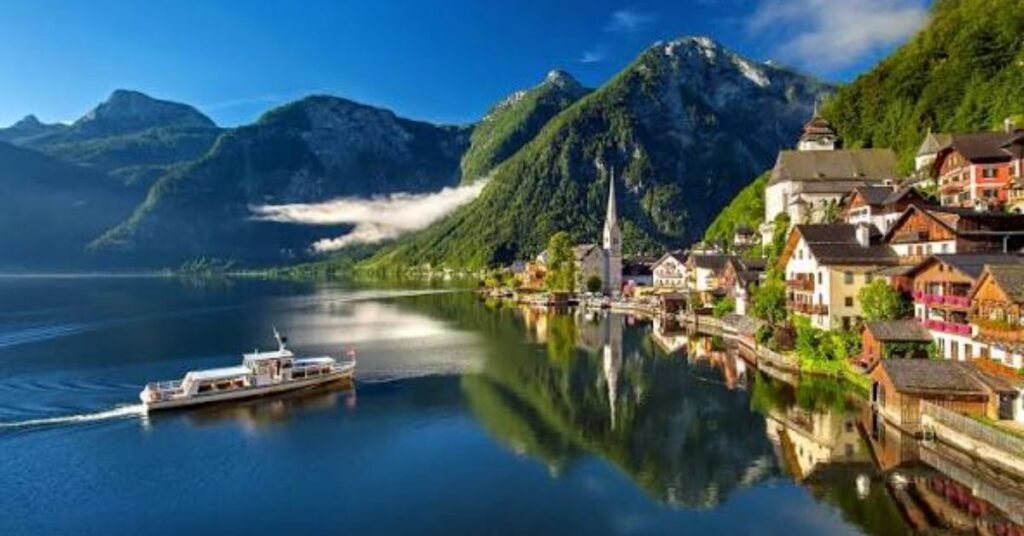
Hallstatt is a small Austrian village known for its peaceful lake, traditional houses, forested mountains, and beautiful alpine scenery. Its location beside Lake Hallstatt makes it one of the most photographed villages in Europe.
Visitors can walk along the waterfront, explore narrow streets, enjoy mountain views, and learn about the area’s long history of salt production.
The surrounding region also offers opportunities for boat trips, hiking, and exploring nearby alpine attractions. Seasonal changes create different experiences, from colorful summer landscapes to snowy winter scenery.
Best things to do in Hallstatt:
- Walk beside Lake Hallstatt.
- Explore the historic village center.
- Enjoy views from designated scenic viewpoints.
- Learn about the region’s salt-mining history.
- Take a boat trip when services are operating.
Best time to visit: May to September for generally milder weather.
Hallstatt is a good destination for nature lovers, photographers, and travelers looking for a quieter atmosphere. Because it is small and popular, an early start can help visitors enjoy the village before the busiest day-trip crowds arrive.
8. Barcelona, Spain
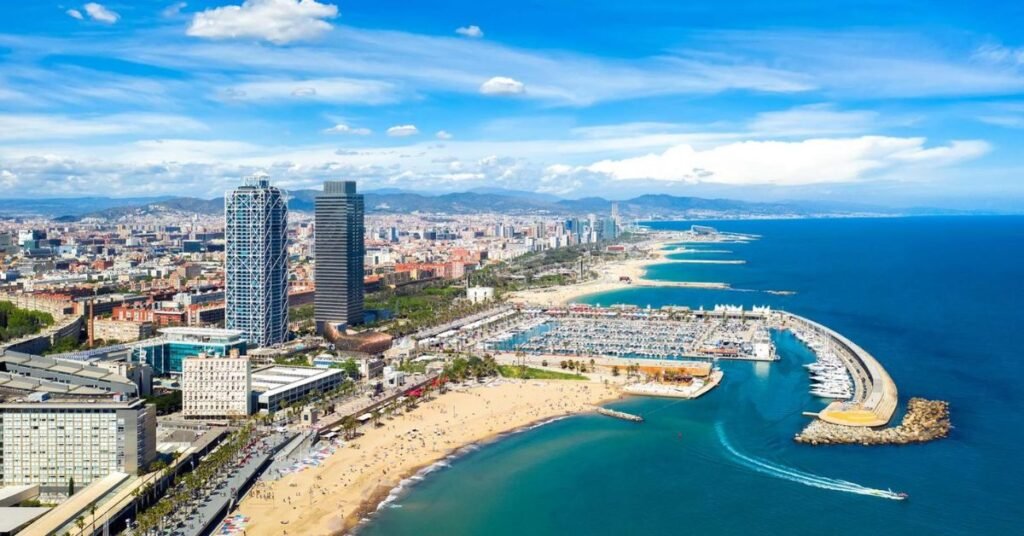
Barcelona combines Mediterranean beaches, striking architecture, lively streets, and excellent food. Located in northeastern Spain, it is a popular destination for travelers who want both cultural attractions and seaside relaxation.
The city is famous for the architectural works of Antoni Gaudí. The Sagrada Família is its most recognizable landmark, while Park Güell offers colorful designs and views across the city.
Visitors can explore the Gothic Quarter, enjoy the atmosphere around La Rambla, or relax near Barceloneta Beach. Barcelona is also known for tapas, seafood, and Catalan cuisine.
Best things to do in Barcelona:
- Visit the Sagrada Família.
- Explore Park Güell.
- Walk through the Gothic Quarter.
- Relax at Barceloneta Beach.
- Try traditional tapas and local dishes.
Best time to visit: May to June and September to October.
Barcelona is ideal for families, couples, beach lovers, and architecture enthusiasts. Visitors should keep their belongings secure in crowded tourist areas and book popular attractions in advance.
9. Dubrovnik, Croatia
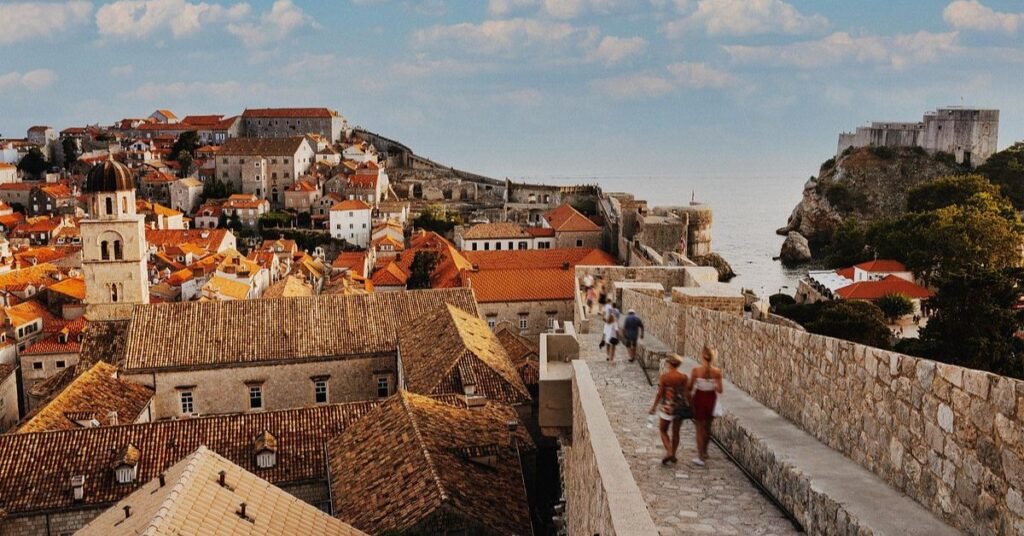
Dubrovnik is a beautiful coastal city on Croatia’s Adriatic coast. Its historic stone walls, terracotta rooftops, blue sea, and medieval streets create a striking landscape.
The Old Town is a UNESCO World Heritage Site and contains historic buildings, churches, squares, and narrow pedestrian streets. Visitors can walk along sections of the city walls for panoramic views of the coast and rooftops.
Boat excursions to nearby islands provide additional opportunities to enjoy the clear waters of the Adriatic Sea.
Best things to do in Dubrovnik:
- Explore the Old Town.
- Walk along the historic city walls.
- Take a boat trip to nearby islands.
- Enjoy views of the Adriatic Sea.
- Discover local seafood restaurants.
Best time to visit: May to June and September.
Dubrovnik is particularly attractive to history lovers, photographers, and coastal travelers. Summer can be crowded and expensive, so shoulder-season visits often provide a more comfortable experience.
10. Amsterdam, Netherlands
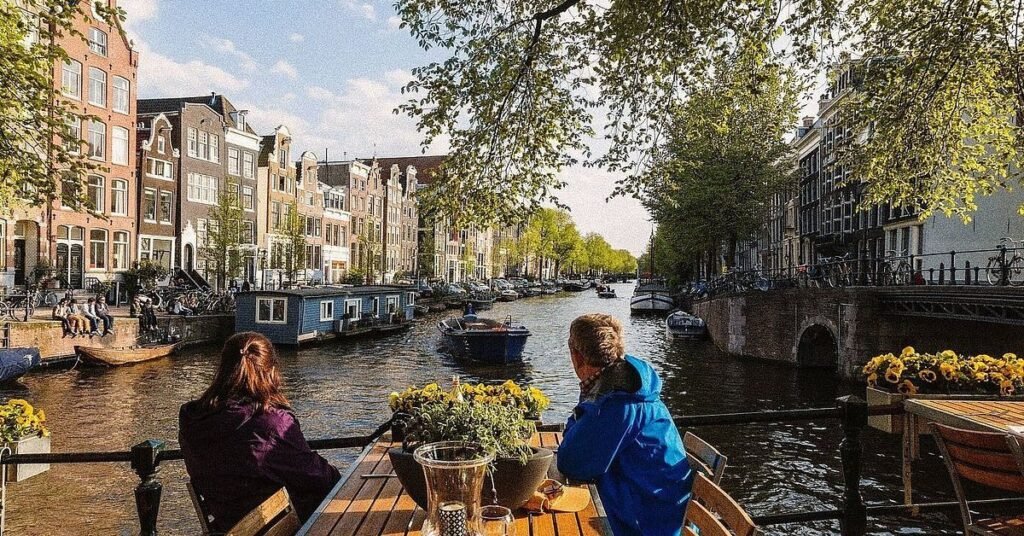
Amsterdam is famous for its canals, historic houses, bicycles, museums, and relaxed atmosphere. It is one of Europe’s most charming cities for visitors who enjoy culture and exploring on foot.
The city’s canal belt features beautiful historic buildings and scenic bridges. Canal cruises provide a different perspective, while cycling allows visitors to explore residential neighborhoods and parks.
Art lovers can visit the Rijksmuseum and the Van Gogh Museum. The Jordaan neighborhood is another attractive area, with small cafés, independent shops, and picturesque streets.
Best things to do in Amsterdam:
- Take a canal cruise.
- Visit the Rijksmuseum.
- Explore the Van Gogh Museum.
- Walk around the Jordaan neighborhood.
- Cycle through suitable designated routes.
Best time to visit: April to May and September.
Amsterdam is suitable for solo travelers, couples, and families interested in museums and culture. Accommodation can be expensive, so reserving a room early is a useful way to manage travel costs.
11. Madeira, Portugal
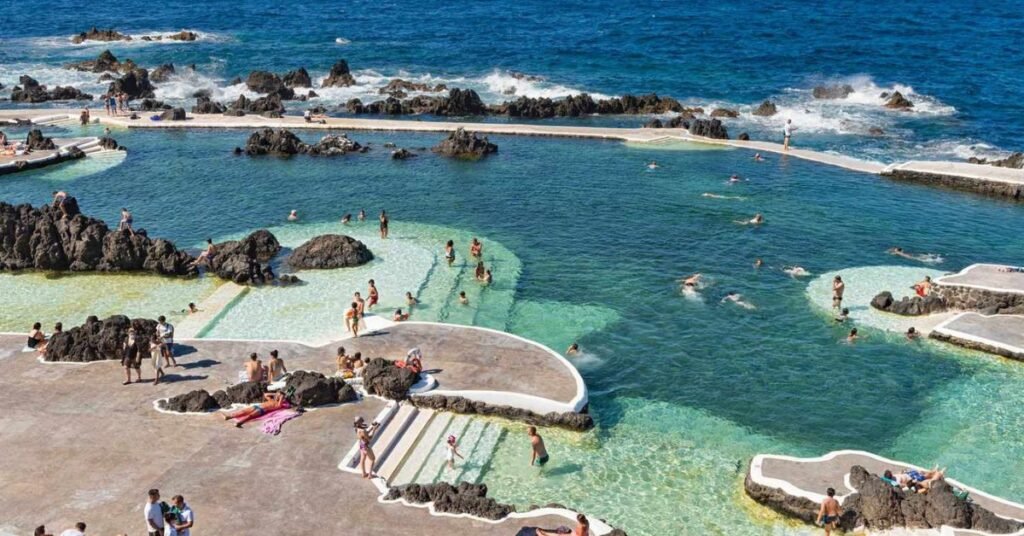
Madeira is a Portuguese island in the Atlantic Ocean known for its dramatic cliffs, green mountains, botanical gardens, and coastal views. It is an excellent destination for travelers who prefer nature and outdoor activities.
The island’s capital, Funchal, offers gardens, historic streets, markets, and waterfront attractions. Beyond the city, visitors can explore mountain viewpoints, scenic coastal roads, and walking routes alongside traditional irrigation channels known as levadas.
Madeira’s relatively mild climate makes it attractive throughout much of the year, although weather conditions can change between coastal and mountainous areas.
Best things to do in Madeira:
- Explore Funchal’s historic center.
- Visit botanical gardens.
- Enjoy mountain and ocean viewpoints.
- Walk selected levada trails.
- Discover the island’s coastal villages.
Best time to visit: April to October, depending on activities and local weather.
Madeira is ideal for hikers, photographers, couples, and nature lovers seeking a different kind of European holiday.
12. Norwegian Fjords, Norway
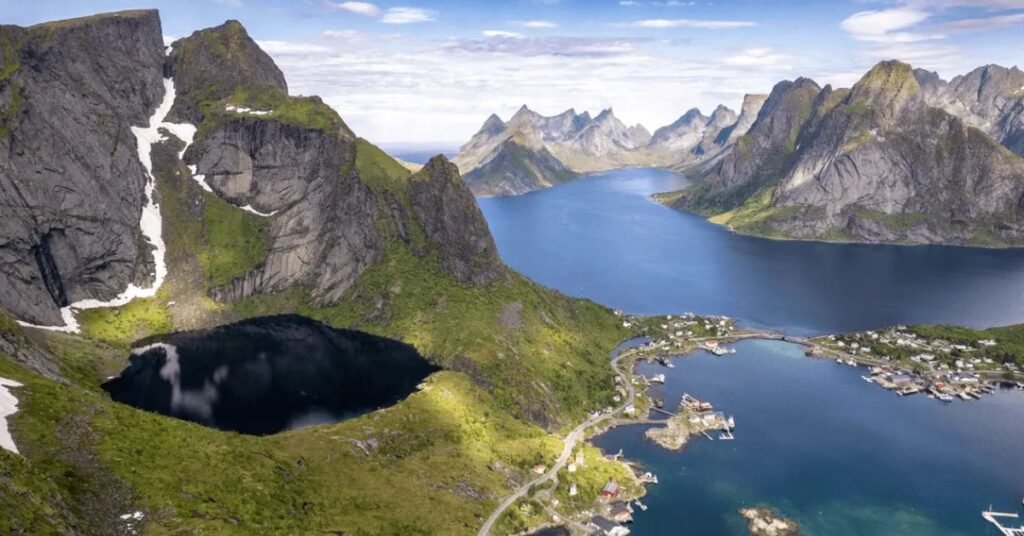
Norway’s fjords offer some of the most impressive natural scenery in Europe. Deep blue waterways, towering cliffs, waterfalls, and green mountains create spectacular landscapes.
Geirangerfjord and Nærøyfjord are among the country’s best-known fjord destinations. Visitors can explore them through boat trips, scenic drives, hiking trails, and viewpoints.
The surrounding villages provide opportunities to experience Norwegian culture and enjoy fresh local food. In summer, long daylight hours make sightseeing more convenient, while winter brings snow and different outdoor experiences.
Best things to do in Norway’s fjords:
- Take a fjord sightseeing cruise.
- Visit scenic mountain viewpoints.
- Explore nearby villages.
- Enjoy suitable hiking routes.
- Photograph waterfalls and dramatic landscapes.
Best time to visit: May to September for many sightseeing and hiking activities.
Norway is generally an expensive destination, but travelers can control costs by planning transport, preparing some meals, and comparing accommodation options. Weather can change quickly, so suitable clothing is important even during summer.
Best Time to Visit Europe
The best time to visit Europe depends on the destinations you choose and the kind of holiday you want.
- Spring (March to May): A good season for city sightseeing, gardens, and generally milder weather in many destinations.
- Summer (June to August): Popular for beaches, mountain hiking, outdoor festivals, and long daylight hours. Expect larger crowds in many famous destinations.
- Autumn (September to November): Often a good time for city breaks, colorful landscapes, and potentially fewer tourists than in peak summer.
- Winter (December to February): Suitable for Christmas markets, winter scenery, and skiing in selected mountain regions.
Weather varies significantly across Europe. Check local forecasts and seasonal transport schedules before finalizing your itinerary.
Tips for Planning a European Trip

A little planning can make your European holiday easier and more enjoyable.
- Set a realistic budget: Include accommodation, transportation, meals, attraction tickets, insurance, and emergency expenses.
- Book popular attractions early: Famous landmarks and museums may require advance reservations.
- Choose destinations by region: Visiting nearby cities can reduce travel time and transportation costs.
- Use public transportation: Trains, buses, and local transit can be practical alternatives to rental cars.
- Pack according to the season: Comfortable walking shoes and suitable layers are useful for most European trips.
- Check visa requirements: Travelers should confirm entry requirements for their nationality and itinerary before departure.
- Respect local customs: Learn a few local phrases, follow attraction rules, and be considerate of residents.
- Purchase travel insurance: Suitable insurance may help cover eligible medical emergencies, trip disruptions, and other unexpected expenses.
Final Thoughts
Europe offers an incredible variety of destinations, from romantic cities and historic towns to peaceful lakes, dramatic mountains, and beautiful coastlines. Whether you dream of watching the sunset in Santorini, exploring Venice’s canals, discovering Prague’s architecture, or enjoying Norway’s fjords, every destination has something memorable to offer.
The best place to visit depends on your interests, budget, travel dates, and preferred activities. Plan your route carefully, research local conditions, and leave enough time to enjoy each destination rather than rushing between attractions.
With thoughtful preparation, your European holiday can become a rewarding experience filled with beautiful scenery, cultural discoveries, and unforgettable memories.
FAQs
1. What are the most beautiful places to visit in Europe?
Paris, Santorini, Venice, the Swiss Alps, the Amalfi Coast, Hallstatt, and Norway’s fjords are among Europe’s most scenic destinations.
2. Which European country is best for first-time visitors?
France, Italy, and Spain are popular choices because they offer famous landmarks, cultural attractions, food, and varied landscapes.
3. What is the cheapest time to visit Europe?
Late autumn and winter can offer lower prices in some destinations, excluding popular holiday periods and ski resorts. Costs depend on the location and travel dates.
4. Which European destinations are best for couples?
Paris, Santorini, Venice, and the Amalfi Coast are popular choices for romantic holidays.
5. Which places in Europe are best for nature lovers?
The Swiss Alps, Norwegian fjords, Madeira, and Hallstatt are excellent options for mountain scenery, lakes, hiking, and outdoor experiences.
6. How many days are needed to explore Europe?
A trip of 10 to 14 days can cover several destinations, but the ideal length depends on your budget, travel pace, and chosen countries.
7. Is Europe suitable for family vacations?
Yes. Many European cities offer museums, parks, historical attractions, beaches, and family-friendly transportation options.
