

An Airport Checklist for Travelers is essential for a smooth, stress-free journey in 2026. Before leaving for the airport, travelers should prepare their travel documents, check flight details, pack essential items, and understand the latest airport security rules.
From passports and boarding passes to power banks, luggage restrictions, and international travel requirements, this complete airport checklist will help you stay organized and avoid last-minute problems. Whether you are traveling domestically or internationally, these simple tips will help you prepare for your flight with confidence.
An airport checklist for travelers helps you organize these tasks and avoid common problems before departure. In 2026, travelers should also pay attention to digital travel authorizations, biometric border checks, aviation safety requirements, and modern airport screening technology
This guide covers everything you should check before leaving home, while passing through the airport, and before boarding your flight.
1. Check Your Flight Booking and Travel Details
Start by reviewing your flight reservation. Confirm your departure date, departure time, airline, flight number, and destination airport.
Use this checklist:
- Confirm your ticket and booking reference.
- Check the departure and arrival airports.
- Review your baggage allowance.
- Confirm any connecting flights and layover times.
- Check your seat assignment, if applicable.
- Review your airline’s check-in and boarding deadlines.
- Look for flight schedule changes before leaving home.
If you have a connecting flight, check whether you need to change terminals, pass through immigration, or collect and recheck your luggage.
Save your airline’s official app on your phone and enable notifications if available. Flight times, boarding gates, and terminal information can change, so check official updates regularly.
2. Prepare All Essential Travel Documents
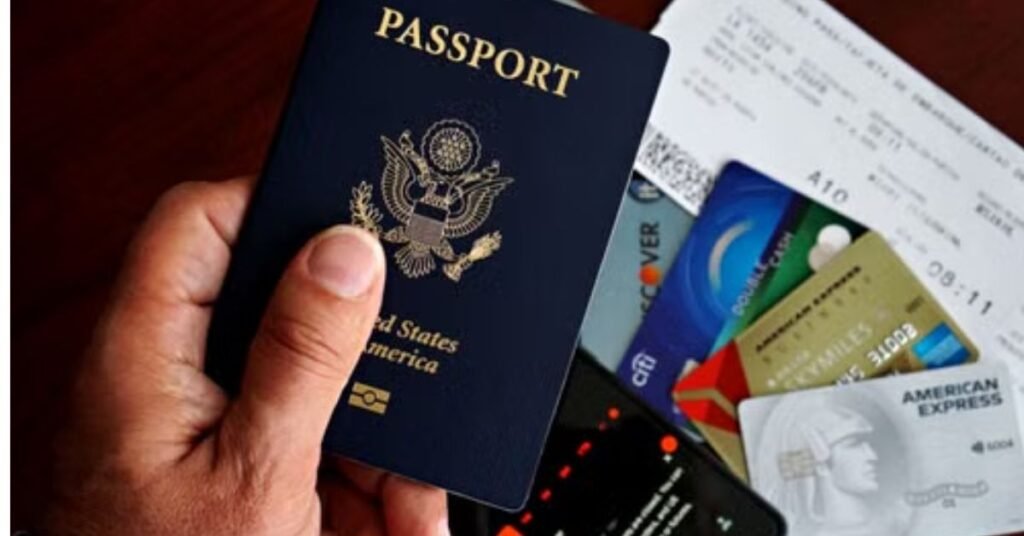
Travel documents are among the most important items on your airport checklist. Missing paperwork can prevent you from boarding a flight or entering your destination country.
Domestic Travel Documents
Depending on your country and airline, you may need:
- Government-issued identification.
- Flight ticket or booking confirmation.
- Boarding pass.
- Additional documents required by the airline.
International Travel Documents
For international flights, prepare the following as applicable:
- Valid passport.
- Required visa or electronic visa (e-Visa).
- Digital travel authorization, if required.
- Return or onward ticket, when required.
- Accommodation details, if requested.
- Travel insurance documents, if applicable.
- Supporting documents required by immigration authorities.
- Documents for children or other travelers requiring special arrangements.
Check your passport’s expiry date well before departure. Some destinations require several months of remaining passport validity.
2026 Update: Europe’s EES and ETIAS
Travelers visiting the Schengen area should understand the difference between these two systems.
EES (Entry/Exit System): This digital border system records the entry and exit of eligible non-EU travelers visiting participating European countries for short stays. It records travel-document details and biometric information, such as facial images and fingerprints, replacing manual passport stamping for covered travelers. EES became fully operational on April 10, 2026.
ETIAS (European Travel Information and Authorisation System): ETIAS is a separate travel authorization for eligible travelers who can visit participating European countries visa-free. As of October 2026, the official EU website states that ETIAS is scheduled to begin in the last quarter of 2026, with the exact launch date to be announced. Check the official website before applying or traveling.
Remember that EES does not replace a required visa, and ETIAS is not a visa. Travelers who need a Schengen visa must follow the relevant visa process.
Official information:
3. Complete Online Check-In and Prepare Your Digital Boarding Pass
Many airlines allow passengers to check in online through their official website or mobile app. Online check-in can save time and help you choose a seat when available.
Before completing check-in:
- Verify your name and flight details.
- Select a seat, if available.
- Confirm your baggage allowance.
- Download your mobile boarding pass or print a copy.
- Check whether you need an additional document check at the airport.
Digital IDs and Biometric Checkpoints
Some airports and border-control services offer facial recognition, automated passport gates, or other biometric checks. Certain countries also provide official mobile applications for specific passport-control procedures.
For example, the United States offers Mobile Passport Control (MPC) at supported entry locations for eligible travelers. The app does not replace the passport, and eligibility depends on the traveler’s status and entry location.
A mobile boarding pass or digital ID is not universally accepted as a replacement for physical documents. Carry your valid passport or required identification and follow your airline and airport’s instructions.
4. Pack Your Carry-On Bag Carefully

Your carry-on bag should contain essential items that you may need during your journey or if your checked luggage is delayed.
Include:
- Passport and required travel documents.
- Boarding pass.
- Phone and charging cable.
- Wallet, cash, and payment cards.
- Essential medication and prescriptions.
- Headphones.
- Tissues and hand sanitizer.
- An empty reusable water bottle, if permitted.
- Necessary snacks.
- A change of clothes for longer trips.
- Power bank that meets airline requirements.
Keep valuable items, essential medicines, and travel documents with you rather than placing them in checked luggage.
Before departure, confirm the airline’s cabin baggage size, weight, and item restrictions.
5. Follow Airport Security Rules
Airport security requirements vary by country and airport. Preparing your luggage properly can reduce delays and make screening easier.
Liquid Restrictions and 3D CT Scanners
Many airports continue to apply the familiar rule limiting liquids, gels, and aerosols in cabin baggage to containers of no more than 100 milliliters, often placed in a transparent resealable bag.
Some airports use advanced computed tomography (CT) scanners that create detailed three-dimensional images of cabin baggage. At certain checkpoints, these scanners can allow laptops or liquids to remain inside bags. However, the procedure depends on the airport, equipment, and current security rules.
Always follow local airport scanner instructions. Do not assume that a CT scanner automatically removes liquid restrictions. Check the departure airport’s official guidance before packing larger containers.
Important 2026 Security Alert: Power Banks and Lithium Batteries
Power banks and spare lithium batteries must be packed in carry-on baggage, never in checked luggage, subject to applicable aviation rules.
Keep these points in mind:
- Check the battery’s watt-hour (Wh) rating before traveling.
- Batteries above 100 Wh may require airline approval, and capacity limits apply.
- Under ICAO’s updated requirements effective March 27, 2026, passengers are limited to two power banks, and recharging power banks during a flight is prohibited.
- Follow airline instructions on using a power bank to charge other devices during the flight.
- Protect spare batteries from short circuits and damage.
These restrictions address fire risks associated with lithium batteries. Check the latest rules with your airline because additional conditions may apply.
Never pack a power bank in checked baggage simply because your suitcase has more space. If a battery is damaged, swollen, or recalled, check with the airline before attempting to transport it.
6. Confirm Your Baggage Allowance
Airlines set their own rules for checked baggage, cabin bags, and personal items. The allowance may depend on your route, ticket class, and fare type.
Check the following before packing:
- Maximum checked baggage weight.
- Number of permitted suitcases.
- Cabin bag size and weight.
- Rules for handbags and laptop bags.
- Fees for overweight luggage.
- Restrictions on sports equipment and fragile items.
Weigh your suitcase at home if possible. Attach a luggage tag with a contact method and keep your baggage receipt until you collect your suitcase.
Do not put passports, cash, essential medication, or power banks in checked luggage when the applicable rules require them in the cabin.
7. Arrive at the Airport on Time

Arriving early gives you time to check in, drop off baggage, pass through security, and reach your gate without rushing.
As a general guideline, many travelers aim to arrive around two hours before domestic flights and three hours before international flights. These are not universal deadlines; your airline or airport may recommend a different time.
Allow extra time if you are traveling during a holiday period, checking special baggage, traveling with children, or departing from a large airport.
Consider road traffic, parking, public transportation, and the distance to your terminal when planning your journey.
8. Keep Money and Payment Methods Ready
Prepare your finances before reaching the airport, especially if you are traveling internationally.
- Carry a payment card and an appropriate amount of cash.
- Check whether your bank card works abroad.
- Review foreign transaction and ATM fees.
- Store emergency cash securely.
- Keep your cards separate from your passport.
- Use authorized currency exchange services.
Avoid carrying unnecessary amounts of cash. At crowded airports, keep your wallet and bags secure.
9. Prepare Your Phone and Electronic Devices
Your phone may contain your boarding pass, hotel booking, maps, and emergency contacts.
Before leaving home:
- Fully charge your phone.
- Pack the correct charging cable and travel adapter.
- Download your airline’s official app.
- Save your accommodation address.
- Download offline maps where useful.
- Check roaming charges or international SIM options.
- Keep important contact numbers accessible.
If you are carrying a laptop, camera, tablet, or other electronic equipment, review the airline’s battery and baggage rules.
10. Arrange Airport Transportation
Plan how you will reach the airport and travel to your accommodation after landing.
Available options may include taxis, ride-hailing services, trains, airport buses, and private transfers.
Check travel time, traffic conditions, pickup points, parking costs, and public transport schedules. For late-night arrivals, confirm which transport services will be available.
If someone is dropping you off, share your flight details and terminal. If you book a ride, confirm the vehicle and pickup location before entering.
11. Complete Check-In and Baggage Drop
Once you arrive, locate your airline’s check-in counter or self-service kiosk.
If you have already checked in online and have no checked baggage, you may be able to proceed directly to security, provided your airline does not require additional document checks.
If you have luggage to check in:
- Present your travel documents.
- Confirm your flight and destination.
- Weigh your luggage.
- Attach the baggage tag as instructed.
- Keep the baggage receipt.
For connecting flights, ask whether your luggage will be transferred automatically or whether you must collect and recheck it.
12. Pass Through Security and Immigration

Follow airport signs to the security checkpoint. Place your belongings in trays as instructed, and remove electronic devices or liquids only when required by local procedures.
For international departures, you may also need to pass through immigration or passport control.
Keep your passport and boarding pass accessible. If biometric gates or facial recognition are available, follow the instructions provided by airport staff.
After completing the necessary checks, look at the departure screens to confirm your gate and boarding time.
13. Check Your Boarding Gate and Flight Updates
Do not assume your gate will remain the same throughout your airport visit. Airlines can change gates because of operational requirements.
Check the departure screens and official airline notifications regularly. Large airports may have multiple terminals, shuttle trains, or long walking distances between gates.
Reach your gate before boarding begins and listen for announcements. Boarding time is not the same as departure time, and gates may close before the scheduled flight departure.
14. Additional Checklist for Families and First-Time Flyers
Traveling with children, older adults, or first-time flyers may require extra preparation.
Consider carrying:
- Required documents for every passenger.
- Children’s snacks and permitted drinks.
- Essential medication.
- A change of clothes for young children.
- Books or downloaded entertainment.
- Baby supplies, where needed.
- Confirmation of requested mobility assistance.
- Emergency contact details.
Request wheelchair assistance or other support from the airline in advance whenever possible.
15. Final Airport Checklist for Travelers
Use this quick checklist before leaving home.
- Passport and required identification.
- Visa, e-Visa, or travel authorization, if required.
- EES/ETIAS requirements checked for European travel.
- Flight ticket and boarding pass.
- Flight date, time, and terminal confirmed.
- Baggage allowance checked.
- Carry-on bag packed.
- Power bank packed in carry-on and compliant with airline rules.
- Liquid restrictions checked.
- Phone, charger, and travel adapter packed.
- Wallet, cards, and cash ready.
- Medication and prescriptions packed.
- Accommodation and transportation arranged.
- Travel insurance documents saved, if applicable.
- Online check-in completed, if available.
- Airport arrival time planned.
- Departure updates checked.
- Home secured before leaving.
Conclusion
An airport checklist for travelers makes air travel more organized and helps prevent common mistakes. Preparing your documents, packing correctly, checking battery restrictions, understanding digital border systems, and arriving early can make your journey much smoother.
The 2026 updates are particularly important for European travel authorizations, biometric border checks, power banks, and airport security screening. However, rules differ by destination, airport, and airline. Always verify current requirements through official sources before departure.
Save this checklist and review it before every trip so you can travel with greater confidence and fewer last-minute surprises.
FAQs
1. What should I bring to the airport?
Bring your required identification, passport and visa when applicable, boarding pass, payment methods, medication, and essential personal items.
2. How early should I arrive at the airport?
Around two hours before many domestic flights and three hours before many international flights is a common guideline. Follow your airline’s instructions.
3. What is the EES system in Europe?
EES digitally records eligible non-EU travelers’ entry and exit information and biometric data at participating European external borders.
4. Is ETIAS required for everyone visiting Europe?
No. ETIAS is intended for eligible visa-exempt travelers. Travelers who require a visa must follow the relevant visa process.
5. Can I carry a power bank on a plane in 2026?
Yes, subject to applicable restrictions. Carry it in your cabin baggage, check its Wh rating, and follow the latest airline rules. ICAO’s updated requirements limit passengers to two power banks and prohibit recharging power banks during flights.
6. Can I keep liquids in my bag at an airport with CT scanners?
Some airports allow this at certain checkpoints, but rules vary. Follow local screening instructions and do not assume the 100 ml rule no longer applies.
7. Can I use a mobile boarding pass instead of printing it?
Many airlines accept mobile boarding passes, but acceptance depends on the airline, airport, and route. Keep the required physical travel documents with you.
8. What happens if my luggage is overweight?
Your airline may charge an additional fee or require you to repack your belongings.
9. Do digital IDs replace passports for international travel?
Generally, no. Digital IDs and mobile applications may support specific procedures, but they do not automatically replace a valid passport or required travel documents.
10. How can I make airport travel less stressful?
Prepare your documents early, follow baggage rules, check flight updates, arrange transportation, and arrive with enough time to complete airport procedures.
