
Introduction
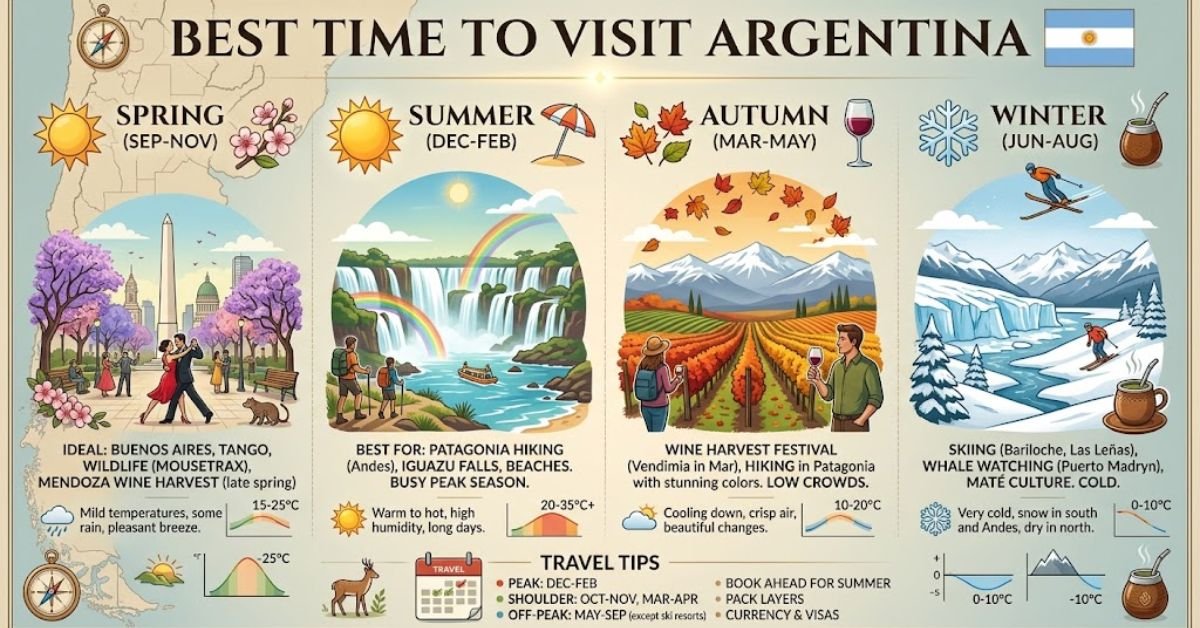
Knowing the best time to visit Argentina helps travelers experience pleasant weather, scenic landscapes, and vibrant city culture without unexpected seasonal delays. From autumn colors in Mendoza vineyards to warm summer days in Patagonia, Argentina offers unique seasonal attractions year-round. In this comprehensive guide, we cover monthly weather patterns, regional highlights, and practical travel timing tips.
However, choosing the best time to visit Argentina depends on what you want to experience. Some travelers prefer warm summer weather and outdoor adventures, while others want to enjoy spring flowers, autumn colors, winter sports, or peaceful sightseeing.
In this guide, you will discover the best months to visit Argentina, the ideal seasons for different destinations, and practical tips to help you plan a memorable trip.
What Is the Best Time to Visit Argentina?
For many travelers, October to November and March to April are excellent months to visit Argentina. These periods offer opportunities for comfortable sightseeing in Buenos Aires, exploring wine regions, and visiting several natural attractions.
However, there is no single perfect time for the entire country. Argentina is geographically large, and its weather varies considerably between the northern subtropical regions, central cities, Andes Mountains, and southern Patagonia.
Here is a quick overview:
| Travel Goal | Best Time to Visit |
| Overall sightseeing | October–November and March–April |
| Patagonia hiking | December–March |
| Buenos Aires city tours | March–May and September–November |
| Skiing and snow sports | June–September, depending on resort conditions |
| Mendoza wine region | February–April |
| Iguazú Falls | April–June or August–October, depending on weather |
| Southern right whale watching | Generally June–October |
| Atlantic beach holidays | December–February |
These are general recommendations. Weather, wildlife activity, and local conditions can vary from year to year.
1. Visiting Argentina in Summer: December to February
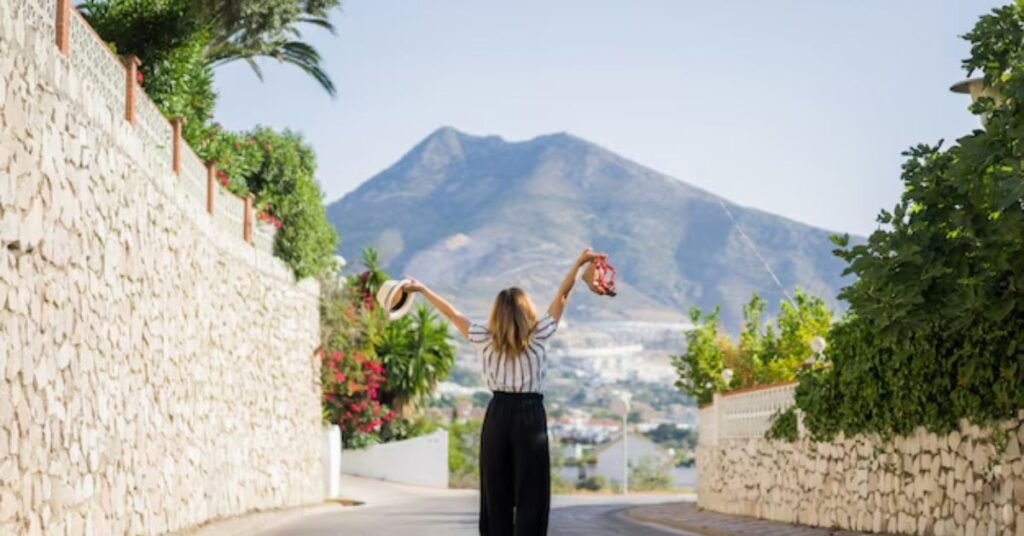
Summer is one of the busiest travel seasons in Argentina. During these months, the weather is warm across many regions, making it an attractive period for beach holidays, mountain adventures, and exploring Patagonia.
Best Places to Visit in Summer
Patagonia: This southern region is popular for hiking, trekking, mountain scenery, and glacier excursions. Longer daylight hours can give visitors more time to explore national parks.
Bariloche: Known for its lakes, mountains, and outdoor activities, Bariloche is an excellent choice for summer nature lovers.
Atlantic Coast: Destinations along Argentina’s Atlantic coast attract visitors looking for beaches and seaside holidays.
Mendoza: Summer is a good time to explore the surrounding Andes and enjoy outdoor activities, although temperatures can become hot.
Advantages of Summer
- Longer daylight hours in southern Argentina.
- Good opportunities for hiking and outdoor exploration in Patagonia.
- Beach destinations are active and popular.
- Many seasonal excursions operate during the summer period.
Disadvantages of Summer
Summer is a popular holiday season, particularly in January and February. Accommodation and flights may be more expensive in busy destinations, and popular attractions can become crowded. Northern and central areas can also experience hot weather, while some regions have summer rainfall.
Best for: Adventure lovers, hikers, beachgoers, and travelers who want to explore Patagonia.
2. Visiting Argentina in Autumn: March to May
Autumn is one of the most attractive seasons for travelers who want pleasant sightseeing conditions and beautiful scenery. Temperatures generally become cooler, especially toward May, and parts of the country display colorful autumn foliage.
Why Visit in Autumn?
Buenos Aires is a wonderful destination during autumn. Visitors can explore historic neighborhoods, enjoy outdoor cafés, visit museums, and experience Argentine culture without the intense summer heat.
Mendoza is another excellent option. The region is famous for its vineyards and Malbec wine. The grape harvest period, known as vendimia, generally takes place during late summer and early autumn, although dates differ between vineyards and annual conditions.
Travelers can also consider Córdoba, the Argentine northwest, and other central regions during this season.
Advantages of Autumn
- More comfortable weather for many city tours.
- Attractive seasonal colors in selected areas.
- Opportunities to experience wine harvest activities in Mendoza.
- Potentially fewer visitors than during peak summer periods.
Things to Consider
Temperatures become colder as autumn progresses. Patagonia can experience chilly conditions, and some outdoor excursions may operate on reduced schedules. Check local opening dates before planning remote hiking trips.
Best for: Wine lovers, photographers, city explorers, and travelers seeking a balance between weather and sightseeing.
3. Visiting Argentina in Winter: June to August
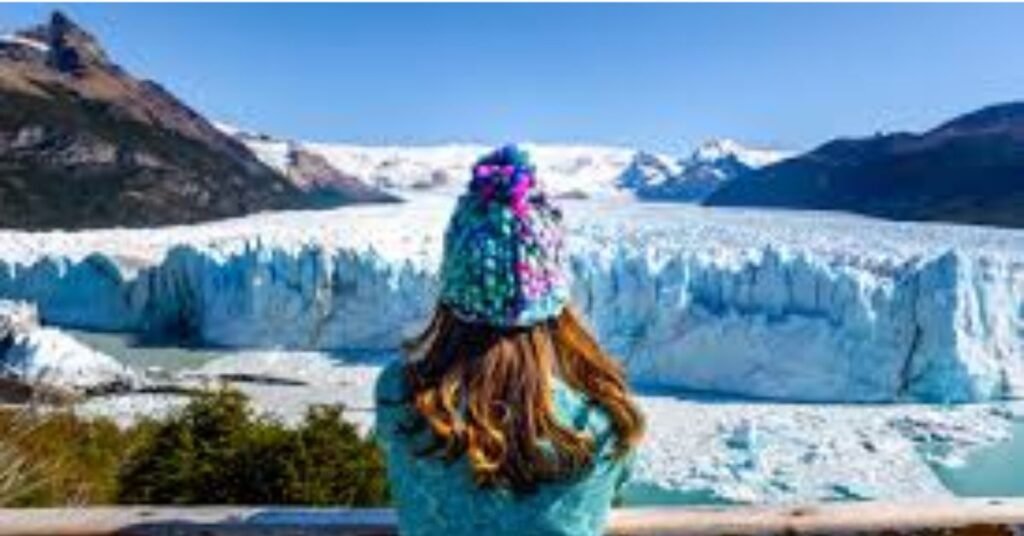
Winter is a good time to visit Argentina if you enjoy snow sports, mountain scenery, and exploring the country’s northern regions.
Because Argentina stretches from subtropical areas in the north to cold southern landscapes, winter conditions differ significantly by destination.
Best Places to Visit in Winter
Bariloche: The city is a popular base for winter sports and mountain scenery. Ski conditions depend on snowfall and resort operations.
Mendoza: Visitors can explore the city, vineyards, and nearby Andes landscapes. Mountain excursions require careful attention to weather and road conditions.
Salta and Jujuy: Northern Argentina offers colorful mountains, traditional villages, historic towns, and striking desert landscapes. Winter can be a good time for sightseeing in this region, although nights at higher elevations may be cold.
Buenos Aires: The capital remains open for visitors throughout winter. Museums, restaurants, tango performances, and indoor attractions provide plenty to do.
Advantages of Winter
- Opportunities for skiing and snowboarding in suitable mountain resorts.
- A good season for exploring many northern destinations.
- Less intense summer heat in central regions.
- Cultural experiences in cities throughout the year.
Disadvantages of Winter
Patagonia can be very cold, windy, and snowy. Some hiking routes and roads may be inaccessible, and certain tours may operate only during specific months. Daylight hours are shorter in the south.
Best for: Skiers, winter travelers, cultural explorers, and visitors interested in northern Argentina.
4. Visiting Argentina in Spring: September to November
Spring is one of the best seasons for travelers who want pleasant weather, blooming flowers, and outdoor sightseeing. Temperatures gradually rise, and parks and gardens become especially attractive.
Best Places to Visit in Spring
Buenos Aires: The city is particularly beautiful when its trees and flowers bloom. Travelers can explore Palermo’s parks, historic neighborhoods, restaurants, and cultural attractions.
Iguazú Falls: Spring can be a good time to visit the waterfalls, although humidity, rainfall, and water levels vary. Visitors should prepare for warm conditions and possible rain.
Patagonia: Spring marks the beginning of the warmer travel season in many parts of Patagonia. However, snow and unpredictable weather may still affect hiking and excursions, particularly in September and early October.
Península Valdés: This coastal wildlife destination is well known for marine life. Southern right whales are generally present in the region during the winter and spring months, with viewing opportunities depending on the date and conditions.
Advantages of Spring
- Pleasant conditions for many outdoor activities.
- Flowers and greenery in urban parks.
- A good season for combining city sightseeing with selected nature destinations.
- Increasing opportunities for hiking as the southern weather improves.
Things to Consider
Spring weather can change quickly, especially in Patagonia. Pack layers and waterproof clothing, and check the forecast before outdoor excursions.
Best for: First-time visitors, photographers, nature lovers, and travelers planning a multi-destination trip.
Best Time to Visit Argentina by Destination
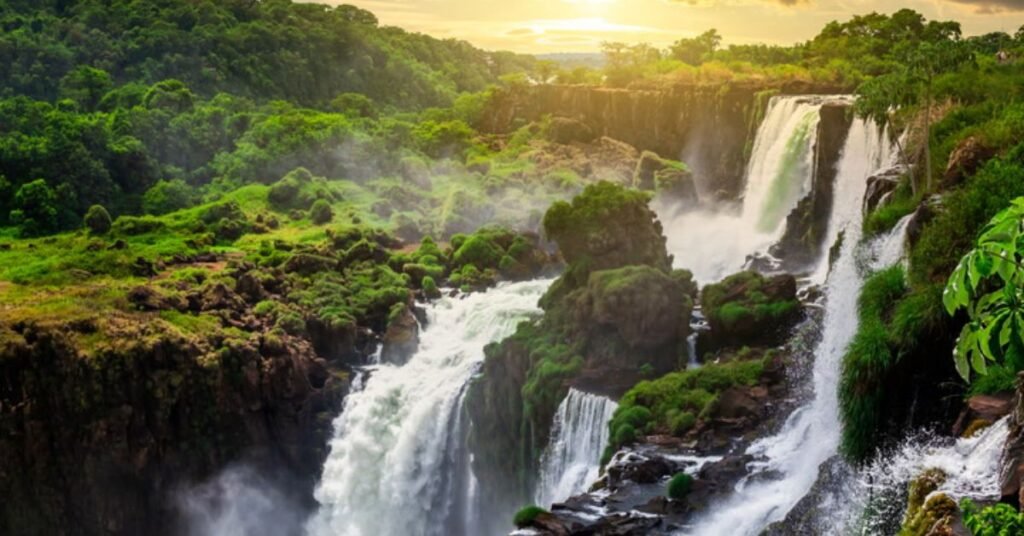
The best travel season can differ depending on which part of Argentina you plan to explore.
Buenos Aires
The best months for many visitors are March to May and September to November. These periods are often comfortable for walking tours, parks, museums, historic sites, and outdoor dining.
Summer can be hot and humid, while winter is generally cool. Buenos Aires is a year-round destination, so your preferred activities and tolerance for heat or cold should guide your decision.
Patagonia
December to March is generally the most popular period for hiking and exploring many Patagonian national parks. Conditions are often more favorable for outdoor adventures, although strong winds and sudden weather changes are still possible.
If you plan to visit glaciers, mountain trails, or remote areas, confirm seasonal transport and tour schedules before booking.
Iguazú Falls
Iguazú Falls can be visited throughout the year. The region has a humid subtropical climate, with warm conditions and rainfall that can influence water levels and trail access.
April to June and August to October may suit travelers looking for a balance of temperatures and sightseeing conditions, but there is no guarantee of dry weather or fewer crowds. December to February is generally hotter and is a busy holiday period in Argentina.
Mendoza
Mendoza is a great destination for wine tourism, especially around the grape harvest season in late summer and early autumn. February to April can be a useful period to explore wineries, vineyards, and regional food.
The climate is relatively dry, but summer afternoons can be hot. If you plan mountain excursions, remember that conditions at higher elevations can be very different from those in the city.
Ushuaia and Tierra del Fuego
Ushuaia, often described as the world’s southernmost city, offers mountain scenery, coastal landscapes, and access to Tierra del Fuego National Park.
For milder weather and longer daylight hours, late October to April is generally a favorable period for many outdoor activities. Winter, from approximately May to September, can offer snow-based activities, but road and trail closures may occur.
Month-by-Month Guide to Visiting Argentina
Here is a simple guide to help you select your travel dates.
| Month | General Travel Conditions | Good For |
| January | Summer; warm or hot in many areas | Beaches and Patagonia |
| February | Summer; vineyard harvest activities begin in some areas | Wine tourism and outdoor trips |
| March | Early autumn | Cities and wine regions |
| April | Autumn | Sightseeing and photography |
| May | Cooler autumn weather | Buenos Aires and cultural trips |
| June | Winter begins | Northern regions and early winter sports |
| July | Winter; school holidays can increase demand | Skiing and mountain resorts |
| August | Winter | Snow sports and northern sightseeing |
| September | Early spring | City tours and selected wildlife trips |
| October | Spring | Parks, nature, and multi-region travel |
| November | Late spring | Sightseeing and outdoor activities |
| December | Summer begins | Beaches and summer adventures |
This table provides a general seasonal overview, not a daily weather forecast. Local conditions can differ significantly.
Practical Tips for Planning Your Argentina Trip

1. Pack for Different Climates
If you plan to visit several regions, carry clothing for both warm and cold weather. Northern Argentina can be hot while Patagonia remains cool and windy.
2. Book Popular Destinations Early
Accommodation, domestic flights, and popular tours may fill quickly during peak summer months and school holidays. Book major activities in advance when possible.
3. Check Local Weather Forecasts
Weather can affect hiking, boat trips, mountain roads, and wildlife excursions. Check forecasts shortly before departure and follow local safety advice.
4. Plan Enough Time
Argentina is a large country, and travel between major destinations can take time. If you want to explore Buenos Aires, Patagonia, Iguazú Falls, and Mendoza in one trip, allow sufficient days for transport and activities.
5. Check Visa and Entry Requirements
Requirements depend on your nationality, passport, and travel purpose. Verify the latest information through official Argentine immigration or consular sources before booking.
6. Consider Your Budget
Peak travel periods can increase prices in popular destinations. Traveling in shoulder seasons may offer more flexibility, but savings are not guaranteed. Compare flights, hotels, tours, and cancellation policies before making reservations.
Final Thoughts
The best time to visit Argentina depends on the kind of holiday you want. Spring and autumn are excellent choices for many sightseeing trips, summer is ideal for numerous Patagonia adventures and beach holidays, and winter offers opportunities for snow sports and northern cultural exploration.
If you are visiting for the first time, consider October or November for spring scenery, or March and April for autumn colors and wine-region experiences. If Patagonia is your main priority, the summer months are usually the most practical starting point.
Most importantly, plan your trip around the specific regions you want to explore. Check weather conditions, seasonal opening schedules, transport options, and official travel guidance before booking. With thoughtful planning, Argentina can offer an unforgettable experience in almost any season.
FAQs
What is the best month to visit Argentina?
October, November, March, and April are good options for many general sightseeing trips, but the ideal month depends on the destinations and activities you prefer.
What is the cheapest time to visit Argentina?
Costs depend on the destination, exchange rates, flight availability, and local demand. Traveling outside major holidays and peak summer periods may provide more accommodation options.
Is summer a good time to visit Argentina?
Yes. Summer is especially popular for Patagonia, Atlantic beaches, lakes, and outdoor activities. However, some regions can be hot, crowded, or rainy.
When is the best time to visit Patagonia?
December through March is generally the most popular period for hiking and many outdoor excursions, although conditions vary by location and year.
When should I visit Buenos Aires?
March to May and September to November are excellent periods for comfortable sightseeing, parks, restaurants, and cultural activities.
Can I visit Argentina in winter?
Yes. Winter is suitable for skiing in mountain resorts, exploring northern Argentina, and enjoying cultural attractions in Buenos Aires.
How many days do I need to visit Argentina?
A week can provide a useful introduction to one or two destinations. Around two to three weeks gives travelers more time to combine major regions, although Argentina’s size makes longer trips worthwhile.
